By Survival Boys
If you asked ten people what they would do if the grocery store shelves suddenly emptied, most would probably answer, “I’d go buy food.”
The problem is that by the time everyone realizes there’s an emergency, it’s already too late.
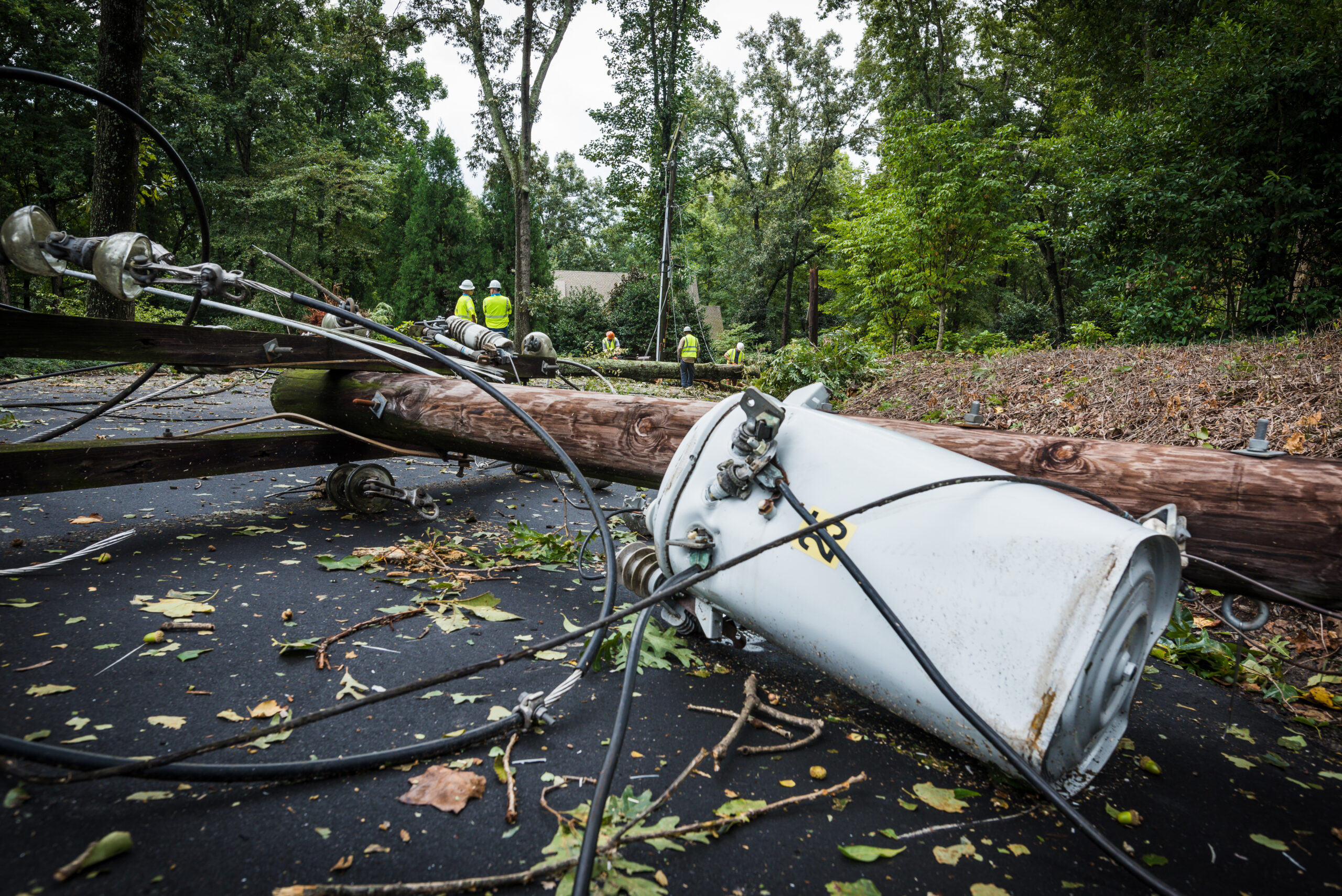
History has shown us time and time again that hurricanes, winter storms, floods, pandemics, transportation disruptions, and other emergencies can cause stores to run low on essential items much faster than people expect. Most grocery stores only keep a limited supply of inventory on hand, and restocking can be delayed when roads are blocked or supply chains are interrupted.

That’s why experienced preppers don’t wait for a disaster to begin collecting food.
They prepare long before it’s needed.
The good news is that building a reliable emergency food supply doesn’t require spending thousands of dollars. In fact, most families can create a solid food reserve over time by buying a little extra during their normal grocery trips.
In this guide, you’ll learn how to build a practical one-year food supply, what foods store best, how to organize your pantry, and the common mistakes that waste both food and money.
60 Serving Entree Only Grab n Go Bucket | My Survival Outlet
Why Food Preparedness Matters
Food is more than fuel—it provides comfort, stability, and peace of mind during uncertain times.
A well-stocked pantry can help your family through:
- Hurricanes
- Ice storms
- Tornadoes
- Extended power outages
- Job loss
- Supply chain disruptions
- Natural disasters
- Unexpected financial hardship
When you already have food at home, you don’t have to fight crowds, stand in long checkout lines, or worry about empty shelves.
Preparedness turns uncertainty into confidence.
Start With Foods You Already Eat
One of the biggest mistakes beginners make is buying survival food they’ve never tried.
An emergency is not the time to discover your family doesn’t like a certain freeze-dried meal.
Instead, build your food storage around everyday meals.
Think about what your family eats each week.
Rice.
Pasta.
Beans.
Peanut butter.
Oatmeal.
Soup.
Canned vegetables.
Chicken.
Tuna.
Fruit.
These familiar foods are affordable, easy to rotate, and can become the foundation of a long-term pantry.
Build Your Pantry in Stages
Trying to buy a year’s worth of food in one shopping trip is expensive and overwhelming.
Instead, work toward smaller goals.
Start with:
Three days.
Then one week.
Then two weeks.
After that, aim for one month.
Once you’ve reached a month, continue adding supplies until you have three months, six months, and eventually a full year if that fits your family’s goals.
Buying a few extra items each grocery trip spreads out the cost and makes the process manageable.
The Foundation Foods
Every emergency pantry should include dependable staple foods.
Rice
White rice stores well when kept dry and sealed properly. It is inexpensive, versatile, and pairs with almost anything.
Beans
Dry beans are affordable, filling, and rich in protein and fiber. Canned beans offer convenience when cooking fuel is limited.
Pasta
Pasta has a long shelf life and cooks into countless meals.
Oats
Oatmeal is nutritious, inexpensive, and works for breakfast, baking, and even thickening recipes.
Flour and Baking Supplies
If you bake, consider storing flour, yeast, baking powder, baking soda, sugar, salt, and cooking oil. Rotate these items regularly because shelf life varies.
Protein Is Essential
Calories matter, but protein is just as important.
Stock foods such as:
- Canned chicken
- Canned tuna
- Canned salmon
- Peanut butter
- Dry beans
- Lentils
- Powdered eggs (where available)
- Shelf-stable milk
These foods help maintain energy and support overall nutrition during long emergencies.
Don’t Forget Fruits and Vegetables
A pantry filled only with rice and beans can become repetitive.
Add variety with:
- Canned peaches
- Pears
- Applesauce
- Corn
- Green beans
- Mixed vegetables
- Tomatoes
- Potatoes
These foods provide vitamins, improve morale, and make meals more enjoyable.
Water Is Part of Food Preparedness
No food storage plan is complete without water.
Many pantry staples require water to prepare.
Store enough drinking water for everyone in your household, and have reliable ways to obtain and treat additional water if needed.
Emergency water filters, boiling, or approved water disinfection methods can help make water safer when supplies are disrupted.
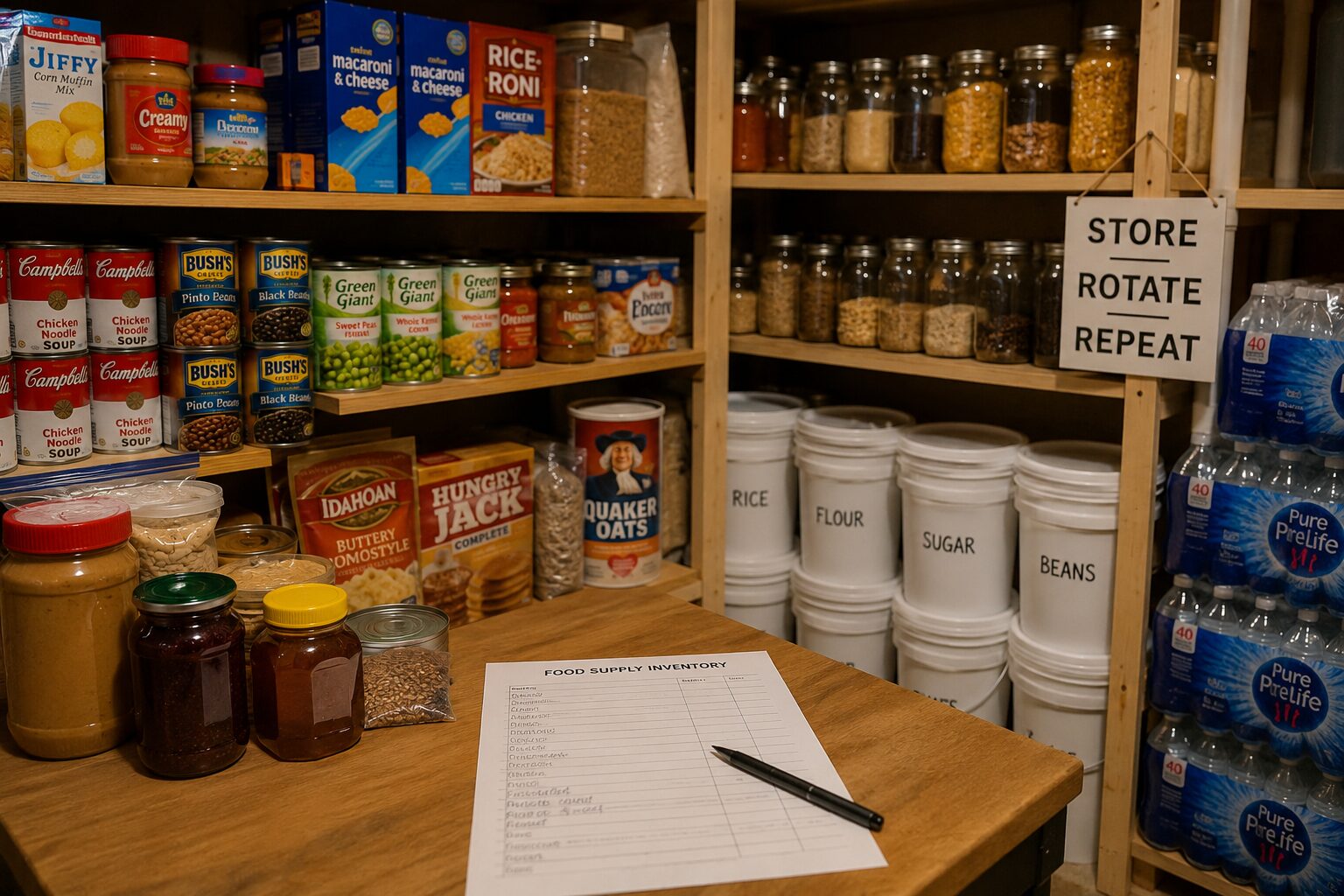
Organize Your Pantry
A messy pantry leads to wasted food.
Group similar items together.
Label shelves.
Write purchase dates on canned goods.
Place older items in front and newer purchases in the back.
This “first in, first out” rotation helps reduce waste and ensures you use older products before newer ones.
Cooking During a Power Outage
Ask yourself one important question:
How will you cook if the power is out?
Options include:
- Propane camp stoves (outdoor use only)
- Outdoor grills
- Rocket stoves
- Solar ovens (weather permitting)
Always follow the manufacturer’s safety instructions, and never use charcoal grills or camp stoves inside a home or garage because they can produce dangerous carbon monoxide.
Foods That Boost Morale
Preparedness isn’t only about survival.
It’s also about maintaining a sense of normalcy.
Consider storing a few comfort items such as:
Coffee.
Tea.
Hot chocolate.
Honey.
Chocolate.
Hard candy.
Favorite seasonings.
These simple treats can make difficult days feel more manageable.
Common Food Storage Mistakes
Many beginners make avoidable mistakes.
Buying foods no one likes.
Ignoring expiration dates.
Failing to rotate supplies.
Not storing enough water.
Keeping food in damp or hot locations.
Forgetting manual can openers.
Building your pantry gradually and checking it regularly can help prevent these problems.
A Sample One-Month Pantry for a Family
While every household has different needs, a balanced pantry might include:
- Rice
- Pasta
- Dry and canned beans
- Canned meats
- Oats
- Peanut butter
- Shelf-stable milk
- Canned fruits
- Canned vegetables
- Soup
- Cooking oil
- Flour and baking essentials (if you bake)
- Salt, sugar, and spices
- Drinking water
- Basic cooking fuel
Adjust quantities based on your family’s size, dietary needs, and preferences.
Preparedness Is a Lifestyle
You don’t need a huge basement or a dedicated bunker to become food prepared.
A spare closet, pantry shelves, or storage bins can hold a surprising amount of food.
The key is consistency.
Buy a little extra.
Rotate what you use.
Replace what you consume.
Over time, you’ll build a pantry that provides security without straining your budget.
Final Thoughts
Food preparedness isn’t about fear—it’s about taking responsibility for your family’s well-being.
Every extra can of vegetables, every bag of rice, and every gallon of water you store today is one less thing to worry about tomorrow.
Start where you are.
Use the budget you have.
Focus on foods your family already enjoys.
Build your pantry one grocery trip at a time.
Months from now, you’ll look back and realize that what once seemed like an overwhelming project became one of the smartest investments you’ve ever made.
At Survival Boys, we believe preparedness begins with simple, practical steps that anyone can take.
Because when life becomes unpredictable, a well-stocked pantry can make all the difference.
Stay prepared. Stay self-reliant. Stay ready.