
Water security feels simple until it suddenly isn’t. I learned that the hard way after assuming a few containers in the corner of my home were enough to get through any disruption. It didn’t take a disaster to expose the flaws in my setup, just a few overlooked details that could have turned a bad situation into something much worse. What surprised me most was how easy it is to make mistakes that quietly compromise your water supply over time. The risks don’t always come from dramatic events but from habits that seem harmless until they aren’t. This is where things can spiral quickly if you don’t catch the issues early.
Relying On A Single Water Source
Depending on just one source of water creates a fragile system that can collapse without warning. I used to think that having a large storage container was enough, but that mindset ignored how unpredictable supply disruptions can be. One leak, contamination issue, or even simple access problems can wipe out your only backup.
Diversifying water sources adds a layer of resilience that many people overlook. Rainwater collection, bottled reserves, and filtration systems each serve different purposes and reduce dependence on a single point of failure. I realized that redundancy is not overkill but a necessary safeguard when it comes to something as critical as water.
Having multiple sources also allows flexibility in different scenarios. Some water may be better for drinking, while other supplies can be used for cleaning or sanitation. That separation can stretch your reserves significantly during extended emergencies.

Storing Water In Unsafe Containers
Not all containers are suitable for long-term water storage, even if they seem durable. I once reused old plastic containers without checking their history, assuming a quick rinse would make them safe. That decision could have introduced harmful chemicals or bacteria into my water supply.
Food-grade containers are designed specifically to prevent contamination and preserve water quality over time. Using anything else adds unnecessary risk, especially if the container previously held chemicals or non-food substances. It is not just about cleanliness but about the material itself and how it interacts with stored water.
Even containers that look clean can harbor invisible threats. Microplastics, residues, and bacterial growth can develop if the container isn’t appropriate or properly sanitized. Taking shortcuts here can undo all the effort put into storing water in the first place.
Ignoring Proper Sealing Techniques
A container is only as reliable as its seal. I underestimated how small gaps or loose lids could allow contaminants to enter, especially over long periods. Airborne particles, insects, and even humidity can compromise stored water without obvious signs.
Tight, secure sealing prevents external contamination and preserves water integrity. It also reduces the risk of evaporation, which can be surprisingly significant in warmer climates. I learned that even minor sealing issues can lead to major losses over time.
Regularly checking seals is just as important as setting them correctly. Materials degrade, lids loosen, and unnoticed damage can develop. Treating seals as a one-time task is a mistake that can quietly ruin your stored supply.
Failing To Rotate Stored Water
Water may not spoil like food, but it does degrade in quality if left untouched for too long. I used to store water and forget about it, assuming it would remain safe indefinitely. Over time, that assumption proved risky as taste, odor, and safety can all change.
Rotation keeps your supply fresh and ensures that you are not relying on stagnant reserves. Setting a schedule to replace stored water every few months makes a significant difference. It also gives you a chance to inspect containers and catch problems early.
Neglecting rotation often leads to a false sense of security. You may believe you have a reliable запас, but in reality, it could be compromised. That gap between perception and reality is where serious trouble begins.
Overlooking Water Treatment Methods
Stored water is not always ready to drink without treatment. I once assumed that clean-looking water was safe, only to realize that clarity does not guarantee purity. Bacteria, viruses, and chemical contaminants can still be present even if the water appears fine.
Filtration and purification methods are essential components of any storage plan. Boiling, chemical treatment, and high-quality filters each serve a purpose depending on the situation. Relying on one method alone can limit your ability to handle different types of contamination.
Having treatment options available gives you control over your water supply. It also prepares you for scenarios where your stored water becomes compromised. Without this step, even a well-stocked reserve can become unusable.
Miscalculating Daily Water Needs
Underestimating how much water you actually need can lead to serious shortages. I initially planned for minimal consumption, focusing only on drinking water while ignoring other daily uses. That miscalculation would have left me unprepared in a real emergency.
Water is required for cooking, hygiene, and basic sanitation, not just hydration. Each of these uses adds up quickly, especially in households with multiple people. Planning only for the bare minimum can create unnecessary strain and discomfort.
Accurate estimation provides a more realistic picture of your needs. It also helps you identify gaps in your storage and adjust accordingly. Without proper planning, even a large supply can run out faster than expected.
Storing Water In Poor Locations
Where you store water matters more than most people think. I once placed containers in areas exposed to heat and sunlight, not realizing how quickly those conditions could degrade water quality. Temperature fluctuations can encourage bacterial growth and damage containers over time.
Cool, dark, and stable environments are ideal for water storage. These conditions help preserve both the container and the water inside it. Ignoring this factor can shorten the lifespan of your entire supply.
Accessibility is another key consideration. Storing water in hard-to-reach places can slow you down during emergencies. Balancing protection and accessibility ensures that your water is both safe and usable when you need it most.
Neglecting Emergency Access Plans
Having water stored is one thing, but being able to access it quickly is another challenge entirely. I realized that in a stressful situation, fumbling through storage areas or struggling with heavy containers can waste valuable time. Poor planning can turn a simple task into a frustrating ordeal.
Organizing your storage with clear access in mind makes a significant difference. Smaller, portable containers can complement larger reserves and provide flexibility. Labeling and arranging supplies strategically can save time and reduce confusion.
Emergency situations demand efficiency. If your setup requires effort to access or manage, it may not serve you well when it matters most. Planning ahead removes unnecessary obstacles and ensures a smoother response.
Assuming Tap Water Will Always Be Available
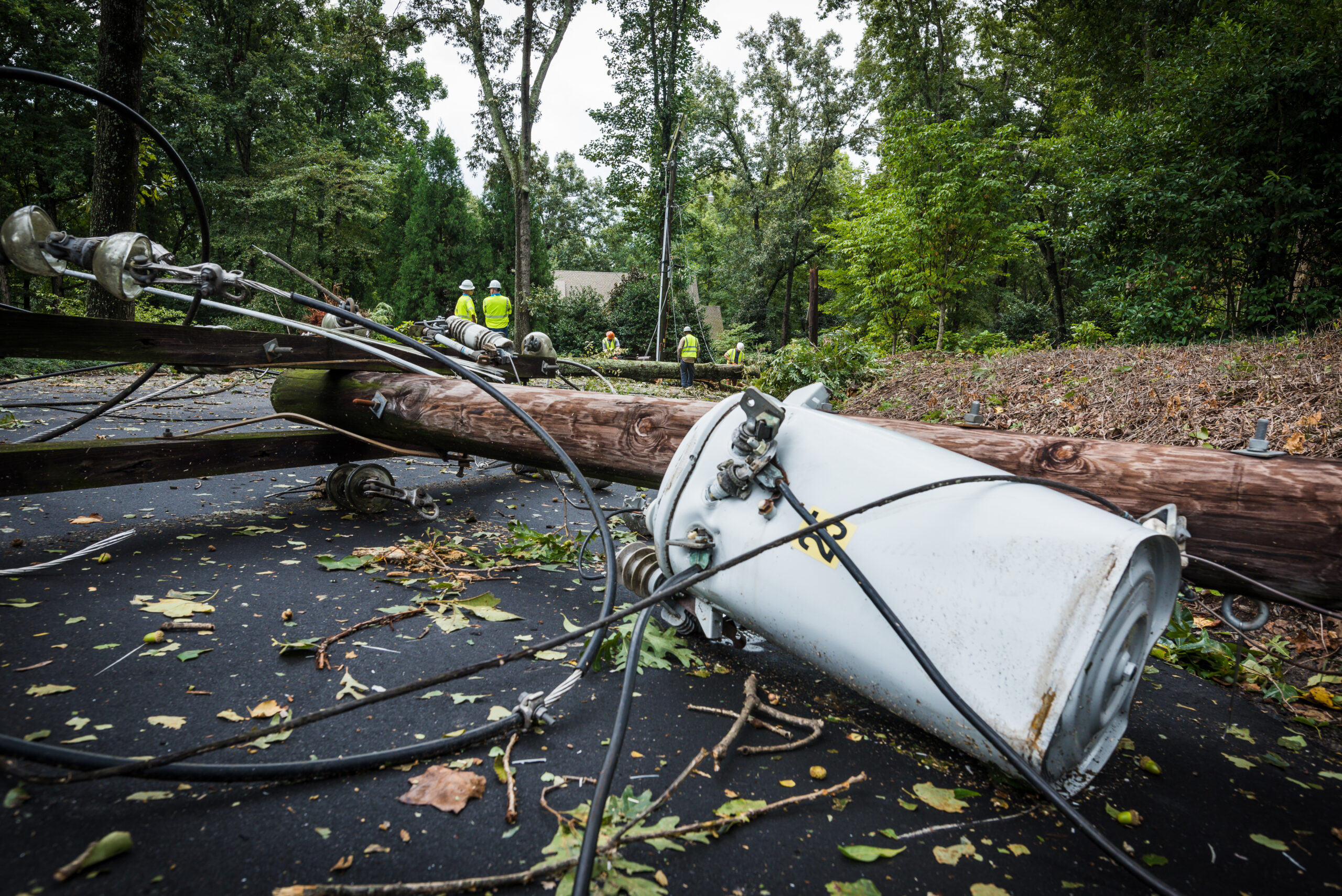
It is easy to take tap water for granted until it suddenly becomes unavailable or unsafe. I used to rely on the idea that municipal systems would always function, but that assumption ignores the realities of infrastructure failures and natural disasters. Even short-term disruptions can create immediate problems.
Having a backup plan for water supply is essential. Stored water provides a buffer that allows you to adapt while addressing the situation. Without it, you are left scrambling for alternatives under pressure.
Trusting a single system without a contingency plan is a risk that can have serious consequences. Preparing in advance gives you control and reduces dependence on external factors that may be beyond your influence.
Forgetting About Long Term Sustainability
Short-term storage is only part of the equation. I realized that relying solely on stored water without considering replenishment can limit your ability to handle extended situations. Supplies can run out faster than expected, especially if conditions change.
Sustainable solutions like rainwater harvesting or access to natural water sources provide ongoing support. Pairing these with proper filtration ensures that you can maintain your supply over time. Ignoring sustainability can leave you vulnerable once initial reserves are depleted.
Planning for the long term adds depth to your strategy. It shifts your focus from temporary survival to continuous resilience. That mindset can make all the difference in prolonged emergencies.
Overconfidence In Minimal Preparation
A small amount of preparation can create a false sense of security. I once believed that having any stored water at all put me ahead, but that confidence overlooked critical gaps in my setup. Partial preparation can be just as dangerous as having none at all.
Evaluating your system honestly helps identify weaknesses before they become problems. It is not about having the perfect setup but about recognizing where improvements are needed. Ignoring those gaps can lead to unexpected failures.
Confidence should come from thorough preparation, not assumptions. Taking the time to refine your approach ensures that your water supply can truly support you when needed.
Final Thoughts
Water storage is not just about filling containers and setting them aside. It requires attention to detail, regular maintenance, and a willingness to question your own assumptions. I have seen how small mistakes can quietly undermine even the best intentions, and those lessons have reshaped how I prepare.
Each improvement you make strengthens your overall resilience. It is not about fear but about readiness and peace of mind. Addressing these mistakes now can prevent serious consequences later, ensuring that your water supply remains a reliable lifeline instead of a hidden vulnerability.