Stepping into the wild without knowing which plants are safe can quickly turn a peaceful adventure into a dangerous situation. I have learned that nature offers both nourishment and risk, often side by side, and telling the difference requires patience, observation, and a bit of caution. Wild plants can provide food, medicine, and survival support, but some can cause severe illness or worse if handled or consumed incorrectly. The key lies in recognizing patterns, respecting uncertainty, and never making assumptions based on appearance alone.
Why Plant Identification Matters in the Wild
Knowing how to identify plants is not just a skill for survival experts; it is something anyone who spends time outdoors should take seriously. Many poisonous plants look harmless or even appealing, with bright berries or lush leaves that can easily mislead someone unfamiliar with them. I have seen how quickly a simple mistake, like touching or tasting an unknown plant, can lead to irritation or illness.
The wild does not label its dangers, so responsibility falls on us to observe carefully. Some plants can cause reactions just by skin contact, while others are only dangerous when ingested. That distinction matters because even brushing against the wrong plant during a hike can lead to hours of discomfort or worse. Being aware helps prevent unnecessary risks and builds confidence when navigating unfamiliar terrain.
Recognizing Common Traits of Poisonous Plants
One of the first things I pay attention to is the plant’s physical features. Certain characteristics often appear in poisonous species, though they are not absolute rules. Plants with milky or discolored sap, for example, are frequently unsafe and should be avoided unless properly identified.

Another red flag is strong or unpleasant odors. While not all foul-smelling plants are toxic, many dangerous ones emit a sharp or bitter scent when crushed. I have learned to trust my senses in these moments and keep my distance instead of investigating further.
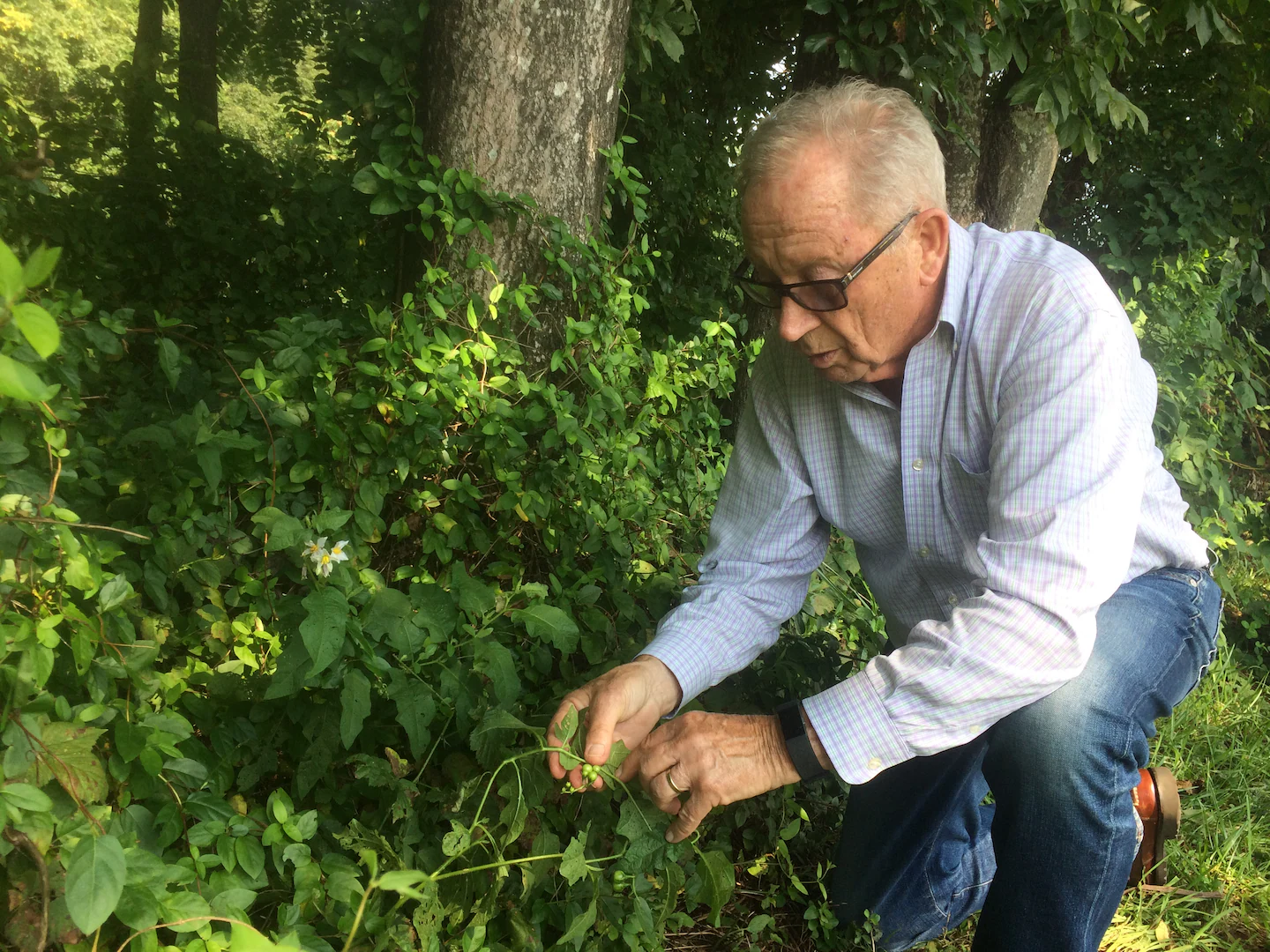
Brightly colored berries can also signal danger. Red, white, and yellow berries are often associated with toxic plants, especially when growing in clusters. While some edible berries share these colors, the risk of confusion is too high unless I am completely certain of what I am looking at.
Safe Plant Indicators That Help Guide Decisions
While spotting dangerous traits is useful, recognizing safe characteristics is equally important. I often look for plants that have been historically used as food, especially those that resemble familiar vegetables or herbs. However, similarity alone is never enough to confirm safety.
In many cases, safe plants tend to have a more neutral smell and lack the milky sap seen in toxic species. Leaves that are soft, non-glossy, and free from unusual patterns can sometimes indicate a lower risk, but this is not guaranteed. I always remind myself that no single feature can confirm edibility.
Observing animal behavior can sometimes offer clues, though it is not foolproof. If animals are eating a plant without issue, it may suggest safety, but some animals can tolerate toxins that humans cannot. I treat this as a hint rather than a reliable rule.
The Universal Edibility Test and Its Limitations
When I am unsure about a plant and have no other options, I rely on a method known as the universal edibility test. This process involves carefully testing a plant in stages, starting with checking for skin reactions before moving on to small tastes. It is slow and requires patience, but it can help reduce risk in survival situations.
The process begins with separating the plant into parts, such as leaves, stems, and roots, since different sections may have different properties. After testing for contact reactions, I wait for any signs of irritation before proceeding. Only after several cautious steps do I consider ingesting a small amount.
Despite its usefulness, this method is not perfect. Some toxins take time to show effects, and others may not cause immediate symptoms. I never rely on this test unless absolutely necessary, and I always prefer proper identification over experimentation.
Dangerous Look-Alikes That Cause Confusion
One of the biggest challenges in the wild is distinguishing between safe plants and their toxic counterparts. I have encountered several cases where edible plants closely resemble poisonous ones, making identification tricky. These look-alikes can easily deceive even experienced individuals.
For example, certain edible herbs share similarities with highly toxic species that can cause severe poisoning. The differences may be subtle, such as slight variations in leaf shape or stem texture. Missing these details can have serious consequences.
This is why I avoid relying on memory alone. I make it a habit to double-check features and compare multiple characteristics before making any decision. A single similarity is never enough to confirm a plant’s identity.
The Role of Environment and Habitat
The environment often provides valuable clues about the plants growing within it. I have noticed that certain poisonous plants tend to thrive in specific conditions, such as damp areas, shaded forests, or disturbed soil. Paying attention to the surroundings can narrow down possibilities.
At the same time, edible plants also follow patterns based on climate and terrain. Knowing what typically grows in a region helps eliminate unlikely options. For instance, some plants are common in tropical environments but rare elsewhere, which can guide identification efforts.
However, I never rely solely on location. Plants can adapt and spread beyond their usual habitats, especially in changing climates. Habitat is just one piece of the puzzle, not the final answer.
Physical Contact and Skin Reactions
Not all plant dangers come from eating them. Some plants can cause immediate reactions upon contact, leading to itching, redness, or blistering. I have learned to be cautious even when simply handling unfamiliar vegetation.
Wearing protective clothing helps reduce the risk of exposure. Long sleeves and gloves can prevent accidental contact with irritating plants. This is especially important in dense areas where visibility is limited.
If I do come into contact with a suspicious plant, I wash the area as soon as possible. Quick action can minimize the severity of a reaction and prevent further spread. Ignoring these signs can lead to prolonged discomfort.
Seasonal Changes and Plant Behavior
Plants can change significantly depending on the season, which adds another layer of complexity to identification. I have seen plants that look completely different in spring compared to late summer. Leaves, flowers, and fruits can appear or disappear, altering their overall appearance.
These changes can make identification more difficult, especially if I am relying on a single reference point. A plant that is easy to recognize when flowering may be unrecognizable at another time of year. This is why I focus on multiple features rather than just one.
Seasonal awareness also helps in avoiding toxic plants at their most dangerous stages. Some plants become more harmful when they produce certain compounds during specific times of the year. Staying aware of these patterns adds an extra layer of safety.
Tools and Resources That Improve Accuracy
Carrying the right tools can make a significant difference in identifying plants correctly. Field guides, for example, provide detailed descriptions and images that help compare features in real time. I find them especially useful when exploring unfamiliar areas.
Mobile apps have also become valuable resources, offering quick identification based on photos. While not always perfect, they can serve as a helpful starting point. I use them alongside other methods rather than relying on them completely.
Taking notes and photos during exploration helps build a personal reference over time. I often document plants I encounter, including their location and characteristics. This habit improves my ability to recognize patterns and avoid mistakes in the future.
Mistakes to Avoid When Identifying Plants
One of the most common mistakes I have seen is assuming that a plant is safe because it looks familiar. Many toxic plants closely resemble edible ones, and this assumption can lead to serious consequences. I always verify before making any decision.
Another mistake is rushing the process. Identifying plants requires careful observation, and skipping steps increases the risk of error. Taking the time to examine details can prevent dangerous outcomes.
Ignoring warning signs is another critical error. If something about a plant seems unusual or suspicious, I trust that instinct and stay away. It is better to avoid a potential food source than to risk exposure to something harmful.
Building Confidence Through Practice
Developing plant identification skills takes time and experience. I did not learn everything at once, and I continue to improve with each outdoor trip. The more I observe and study, the more confident I become in recognizing safe and dangerous plants.
Practicing in familiar environments is a good way to build this skill. Starting with well-known plants allows me to understand their features before moving on to less familiar ones. This gradual approach reduces the risk of mistakes.
Over time, patterns begin to emerge, making identification easier. I start to notice subtle differences that I might have missed before. This growth comes from consistent effort and a willingness to learn from both successes and mistakes.
Final Thoughts on Staying Safe Around Wild Plants
Spending time in nature becomes far more rewarding when I feel confident in my ability to identify plants safely. It allows me to explore with curiosity while maintaining respect for the risks involved. Every plant has its place in the ecosystem, whether beneficial or dangerous.
Caution remains my most valuable tool. I never assume, rush, or take unnecessary risks when dealing with unknown plants. By staying observant and informed, I can enjoy the beauty and resources of the wild without putting myself in harm’s way.
The balance between curiosity and caution defines how I interact with nature. With the right mindset and knowledge, identifying safe versus poisonous plants becomes less intimidating and more of a skill that grows stronger over time.