
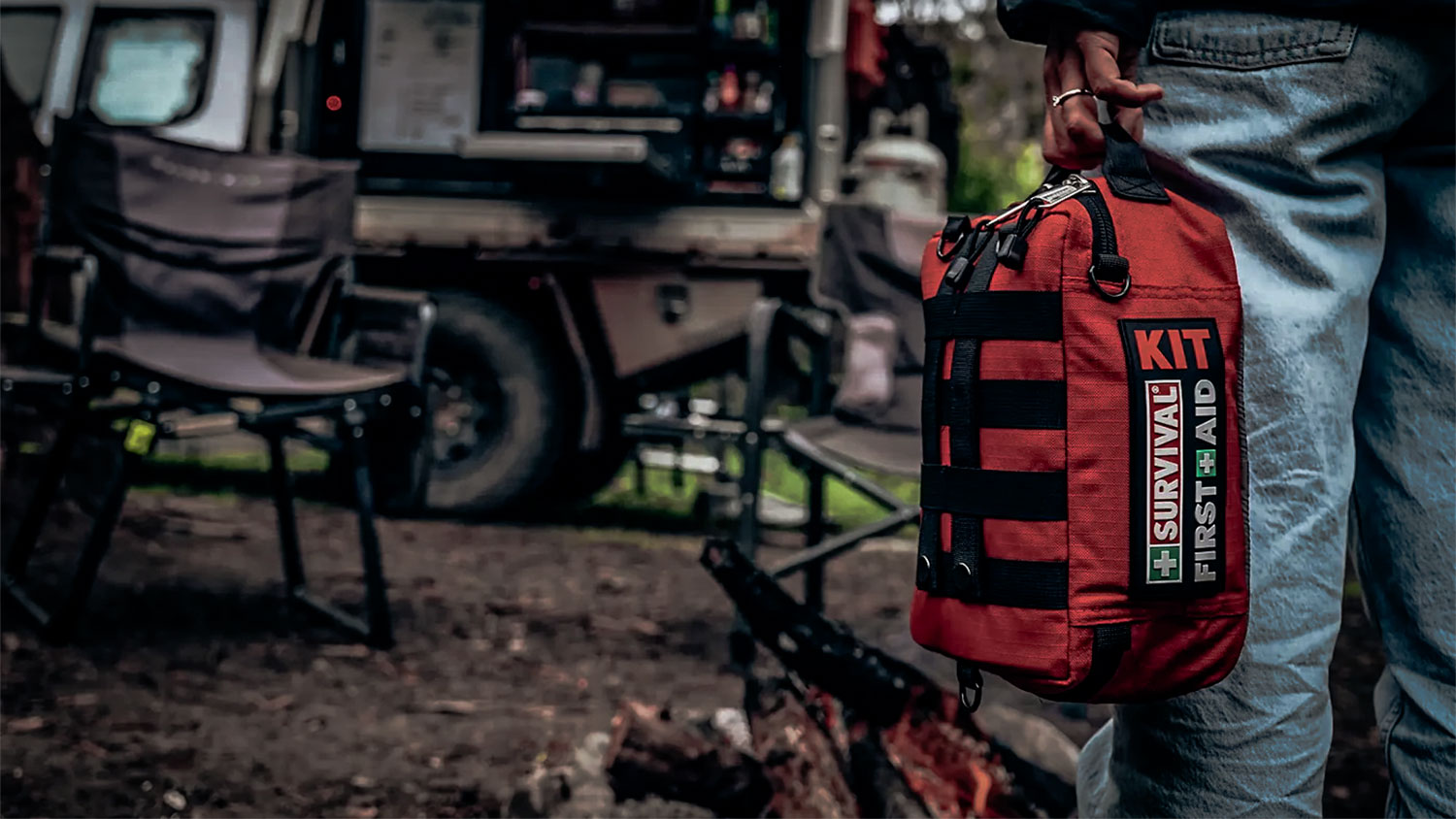
I take emergency preparedness seriously because unexpected situations can disrupt daily life without warning, and having the right supplies within reach makes all the difference. A 72-hour emergency kit is designed to support survival during the critical first three days of a crisis, whether it’s a natural disaster, power outage, or evacuation scenario. Building one is not about fear but about readiness and peace of mind. With a well-prepared kit, I know I can handle immediate challenges while waiting for assistance or until conditions stabilize.
Why A 72-Hour Emergency Kit Matters
Emergencies rarely give advance notice, and access to basic necessities can quickly become limited. I’ve realized that relying on public services or nearby stores is not always an option during disasters, especially when infrastructure is affected. Roads can become impassable, electricity may fail, and communication networks might go down, leaving people to depend on what they already have.
A 72-hour window is widely considered the most critical period after a disaster strikes. During this time, emergency responders may be overwhelmed, and help might not arrive immediately. Having essential supplies ready ensures that I can remain safe, hydrated, and nourished while waiting for external support. This preparation also reduces panic and allows me to focus on making smart decisions rather than scrambling for resources.
Water: The Most Essential Supply
Water is always the first item I prioritize because the human body cannot function properly without it. In an emergency, clean drinking water can become scarce due to contamination or supply disruptions. I make sure to store at least one gallon of water per person per day, which covers both drinking and basic hygiene needs.

I prefer using durable, food-grade containers that are easy to transport if evacuation becomes necessary. In addition to stored water, I also include purification methods such as water purification tablets or a portable filter. This extra step gives me flexibility in case my primary supply runs out or if I need to source water from nearby locations.
Food That Sustains And Stores Well
Food selection for an emergency kit requires careful thought because it needs to be non-perishable, easy to prepare, and nutritionally balanced. I focus on items like canned goods, energy bars, dried fruits, and ready-to-eat meals that don’t require refrigeration. These choices allow me to maintain energy levels without relying on cooking equipment.
I also pay attention to shelf life and rotate supplies regularly to keep everything fresh. Including a manual can opener is a small but crucial detail that I never overlook. Comfort foods are another addition I consider, as they can provide emotional relief during stressful situations and help maintain morale.
First Aid And Medical Supplies
Health and safety are top priorities in any emergency, so I make sure my kit includes a comprehensive first aid set. This includes bandages, antiseptic wipes, adhesive tape, scissors, and over-the-counter medications. These items allow me to handle minor injuries and prevent complications until professional medical help is available.
I also include any personal medications that I or my family members may need, ensuring there is at least a three-day supply. Keeping a list of medical conditions, allergies, and emergency contacts inside the kit is another step I take to stay prepared. This information can be extremely helpful if someone else needs to assist me during a crisis.
Clothing And Personal Protection
Weather conditions can change rapidly during emergencies, and I always make sure to pack appropriate clothing. Extra sets of clothes, including warm layers, rain gear, and sturdy footwear, are essential for maintaining comfort and preventing exposure-related issues. Even in warm climates, temperatures can drop unexpectedly, especially at night.
I also include items like gloves, face masks, and protective eyewear when necessary. These additions provide protection from debris, dust, or potential hazards in the environment. Staying dry, warm, and protected significantly improves resilience during challenging conditions.
Lighting And Power Sources
A reliable light source is something I never take for granted. Power outages can leave entire areas in darkness, making navigation difficult and increasing the risk of accidents. I always pack flashlights, headlamps, and extra batteries in my emergency kit to ensure visibility at all times.
In addition to traditional lighting, I include portable power banks to keep essential devices charged. Communication devices like phones can be lifelines during emergencies, so maintaining battery life is crucial. Solar-powered chargers are another option I consider for longer situations where electricity may not be restored quickly.
Communication And Important Documents
Staying informed during an emergency is critical, which is why I include a battery-powered or hand-crank radio in my kit. This allows me to receive updates and instructions from authorities even if internet and mobile networks are unavailable. Being aware of the situation helps me make better decisions and stay safe.
I also keep copies of important documents such as identification, insurance papers, and emergency contacts in a waterproof pouch. These documents can be invaluable during evacuations or when accessing services after a disaster. Having everything organized in one place saves time and reduces stress.
Hygiene And Sanitation Essentials
Maintaining hygiene during an emergency might seem secondary, but it plays a significant role in overall health. I always include items like wet wipes, hand sanitizer, soap, and toothbrushes in my kit. These help prevent infections and keep me feeling refreshed even in difficult conditions.
Sanitation supplies such as garbage bags and toilet paper are equally important. In situations where regular facilities are unavailable, these items become essential for managing waste and maintaining cleanliness. Small details like these can greatly improve comfort and prevent additional health risks.
Tools And Multi-Purpose Items
Versatility is key when space is limited, so I rely on multi-purpose tools to maximize efficiency. A sturdy multi-tool or Swiss army knife is always part of my kit, as it can be used for a wide range of tasks. From opening cans to making quick repairs, these tools prove invaluable in unexpected situations.
I also include duct tape, rope, and a whistle for signaling. These items might seem simple, but they can solve a variety of problems and enhance safety. Being resourceful with what I have allows me to adapt to changing circumstances more effectively.
Preparing For Specific Needs
Every individual or family has unique needs, and I make sure my emergency kit reflects that. If there are children, I include items like baby food, diapers, and comfort toys to keep them calm. For pets, I prepare food, water, and necessary supplies to ensure their well-being.
I also consider any special requirements such as medical devices, mobility aids, or dietary restrictions. Customizing the kit ensures that everyone’s needs are met, making the overall plan more effective and reliable. This level of preparation helps avoid unnecessary complications during stressful moments.
Storage And Accessibility
Building the kit is only part of the process; storing it properly is just as important. I choose a durable, easy-to-carry container such as a backpack or plastic bin. This makes it easier to grab the kit quickly in case of evacuation or emergency relocation.
I keep the kit in a location that is accessible to everyone in the household. Regularly checking and updating the contents ensures that everything remains in good condition and ready for use. Familiarity with the kit’s contents also helps me act quickly without hesitation when time is critical.
Practicing Your Emergency Plan
Preparation goes beyond assembling supplies, so I take time to practice emergency scenarios. Knowing how to use the items in the kit and having a clear plan of action makes a significant difference during real situations. I discuss evacuation routes, meeting points, and communication strategies with my family to ensure everyone is on the same page.
Running through these scenarios builds confidence and reduces confusion during actual emergencies. It also helps identify any gaps in the plan or missing items in the kit. Continuous improvement is part of staying prepared and ready for the unexpected.
Final Thoughts On Staying Prepared
A 72-hour emergency kit is more than just a collection of supplies; it represents readiness, responsibility, and care for oneself and others. Taking the time to build and maintain one provides a sense of control in situations that are otherwise unpredictable. I’ve found that preparation not only improves safety but also brings peace of mind.
Emergencies can happen anywhere and at any time, but being prepared changes how I respond to them. With the right mindset and a well-equipped kit, I am better positioned to face challenges head-on. Investing effort into preparedness today ensures a safer and more secure tomorrow.