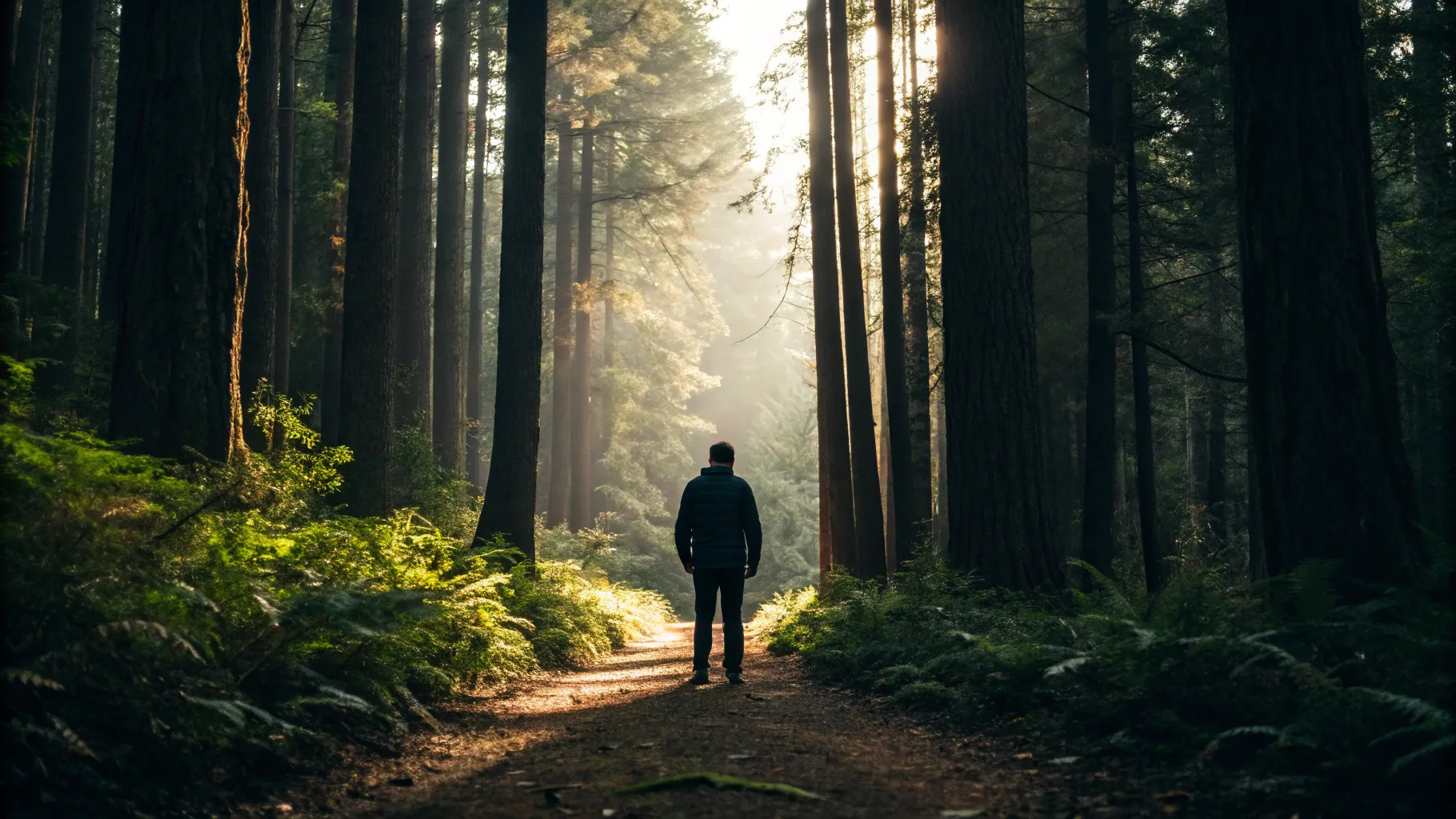
The sun dips faster than expected when you’re out in the wilderness, and the moment it disappears, everything changes. The air cools, the sounds sharpen, and the sense of isolation settles in whether you’re ready or not. I remember standing there, realizing that daylight was gone and that I had no one to rely on but myself. That realization can either spiral into panic or sharpen your instincts, and the difference lies in how you respond in those first crucial hours.
Accepting The Situation Without Panic
Fear arrives quickly once darkness takes over, and it often comes in waves that are hard to control. I felt it creeping in as shadows stretched and unfamiliar sounds echoed through the trees. Instead of letting it take over, I focused on slowing my breathing and grounding myself in the present moment. Panic wastes energy and clouds judgment, which are two things you cannot afford to lose.
Staying calm does not mean ignoring the danger or pretending everything is fine. It means acknowledging that the situation is serious while reminding yourself that survival is still possible. I found that repeating simple thoughts like “I can handle this” helped me stay centered. The wilderness tests your mental strength before anything else, and your mindset becomes your first line of defense.
Securing A Safe Shelter Before Darkness Deepens
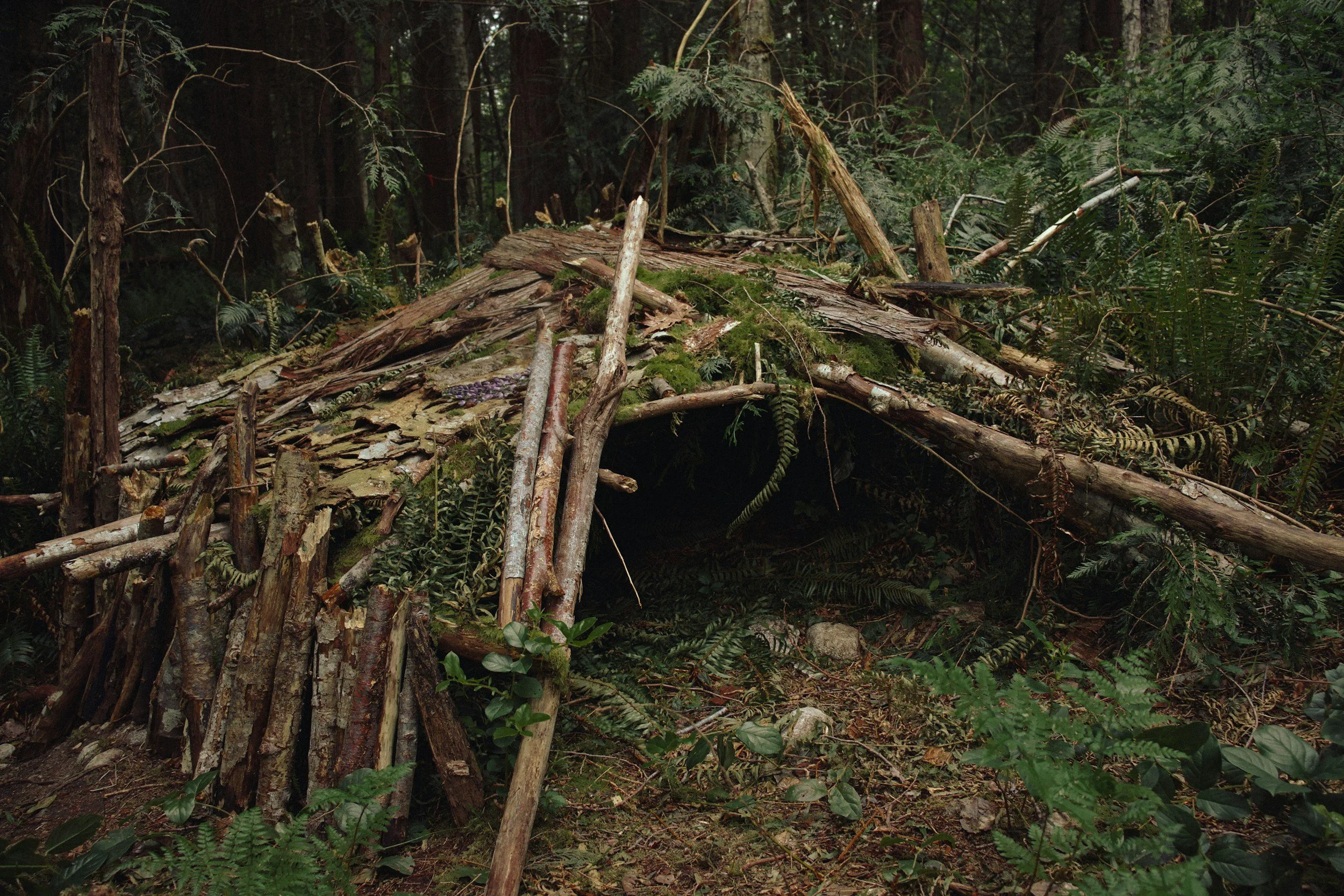
One of the first priorities is finding or creating shelter, even if it’s not perfect. I scanned my surroundings for natural cover like large rocks, fallen trees, or dense bushes that could block wind and provide some protection. The goal is not comfort but safety, especially from exposure to cold and unexpected weather changes.

Building a basic shelter with available materials can make a significant difference. I gathered branches, leaves, and anything I could use to create insulation from the ground and a barrier above me. Sleeping directly on the ground drains body heat quickly, so I made sure to create a layer between me and the earth. Even a rough structure can help maintain warmth and give a sense of security during the night.
Building A Fire For Warmth And Security
Fire changes everything in a survival situation. The moment I managed to get a small flame going, the darkness felt less overwhelming. Fire provides warmth, keeps animals at a distance, and offers a psychological boost that is hard to describe until you experience it.
Starting a fire without proper tools can be frustrating, so I relied on whatever I had, whether it was a lighter, matches, or even improvisation with dry materials. Gathering dry tinder, kindling, and larger wood ahead of time is crucial because searching in the dark becomes nearly impossible. I made sure to build the fire gradually, feeding it carefully to keep it steady throughout the night.
Managing Limited Resources Wisely
Food and water might not seem urgent at first, but they quickly become critical. I checked what I had and resisted the urge to consume everything immediately. Stretching resources is essential because you never know how long you might be out there.
Water takes priority over food, and I made sure to conserve every drop. If I had access to a water source, I approached it cautiously and avoided drinking untreated water unless absolutely necessary. Hunger is uncomfortable but manageable for a night, while dehydration can become dangerous much faster. Keeping that in mind helped me stay disciplined with what I had.
Staying Aware Of Surroundings At All Times
The wilderness does not sleep, and neither should your awareness. Every sound can feel amplified at night, and it’s easy to let your imagination run wild. I reminded myself to distinguish between real threats and natural noises like rustling leaves or distant animal calls.
Positioning myself with a clear view of my surroundings made a difference. I chose a spot where I could see approaching movement rather than being completely hidden without visibility. This balance between concealment and awareness helped me feel more in control. Staying alert does not mean staying tense; it means staying observant without exhausting yourself.
Dealing With Fear And Loneliness In The Dark
Nighttime brings a unique kind of loneliness that is difficult to prepare for. The silence can feel heavy, and your thoughts may start to spiral. I found myself replaying scenarios in my head, imagining worst-case outcomes that had not even happened.
To counter that, I focused on simple tasks like maintaining the fire or adjusting my shelter. Keeping my mind occupied reduced the space for fear to grow. I also reminded myself that this situation was temporary, even if it did not feel that way in the moment. That small shift in perspective helped me stay grounded.
Keeping Your Body Temperature Stable
Cold can creep in slowly, and by the time you notice it, it might already be affecting your body. I made it a priority to stay as warm as possible using whatever I had. Layering clothing, even if it meant wearing everything I carried, helped trap body heat.
Positioning myself close enough to the fire without risking burns was important. I also used natural materials like leaves and grass to add insulation. Movement can generate warmth, but it also uses energy, so I balanced staying still with occasional adjustments to keep my circulation going. Protecting body temperature is one of the most critical aspects of surviving the night.
Resting Without Fully Letting Your Guard Down
Sleep is necessary, but it comes with risks in an unfamiliar environment. I knew I could not stay awake the entire night, so I allowed myself short periods of rest instead of deep sleep. This approach helped me recover some energy while still staying aware of my surroundings.
Positioning myself in a way that made it easier to wake up quickly was part of my strategy. I kept essential items within reach and ensured the fire was stable before closing my eyes. Even brief moments of rest can make a difference in how you handle the next day. The key is to rest smartly rather than completely shutting down.
Navigating Sounds And Movements Around You
The wilderness is full of sounds that can either inform or intimidate you. I learned to listen carefully and identify patterns rather than reacting impulsively. Not every noise signals danger, and overreacting can lead to unnecessary stress or mistakes.
If I heard something unfamiliar, I stayed still and observed rather than rushing to investigate. Most animals avoid humans, especially when there is fire present. Understanding that helped me avoid unnecessary panic. Staying still and listening often reveals more than moving around blindly in the dark.
Preparing For The Morning Ahead
Surviving the night is only part of the challenge, and I kept that in mind as the hours passed. I used any downtime to think about what I would do once daylight returned. Planning ahead gave me a sense of direction and purpose.
I organized my belongings and made sure everything was ready for a quick start in the morning. Whether it meant finding a way out, signaling for help, or continuing to survive, having a plan reduced uncertainty. The thought of daylight became something to look forward to rather than something distant and uncertain.
Holding On To Determination Until Sunrise
The longest part of the night often feels like it stretches endlessly, especially when you’re alone. I reminded myself that time was still moving forward, even if it did not feel like it. Every passing minute brought me closer to sunrise.
Determination plays a huge role in survival, and I leaned on that when exhaustion started to set in. Giving up was never an option, even when the situation felt overwhelming. I held on to the belief that I would make it through, and that belief carried me through the hardest moments. When the first light finally appeared, it felt like a reward earned through persistence and resilience.
The wilderness does not care about your comfort, but it does respond to your actions. That first night alone teaches lessons that stay with you long after you leave. It strips things down to the essentials and shows what you are truly capable of when everything else is gone.