Walking into the wild always brings a mix of calm and unpredictability, and nothing sharpens that feeling more than the possibility of crossing paths with an animal that can harm you. I have spent enough time outdoors to know that these encounters are not as rare as people think, especially in areas where human activity overlaps with natural habitats. Knowing how to react is not just about survival, it is about respecting the animal and preventing a situation from escalating into something dangerous. The way a person behaves in those critical moments often determines whether the encounter ends peacefully or turns into a life-threatening event.
Staying Calm in High-Stress Wildlife Encounters
Fear is the first thing that hits, and it hits hard. The heart starts racing, breathing gets shallow, and the mind jumps straight to worst-case scenarios. I have learned that the biggest mistake in these moments is reacting without thinking, because panic can trigger aggression in animals that might otherwise leave you alone.
Slowing things down becomes the priority. I remind myself to breathe steadily and keep my movements controlled. Animals are highly sensitive to sudden motion, and erratic behavior can make me look like prey or a threat. Even if the situation feels overwhelming, maintaining composure gives me a chance to assess what I am dealing with and respond in a way that keeps both me and the animal safe.
Another important part of staying calm is resisting the urge to run. Running can activate a chase instinct in many predators, and once that instinct is triggered, it is extremely difficult to stop the situation from escalating. Standing my ground while remaining non-threatening has proven to be a far more effective approach.

What to Do If You Encounter a Bear
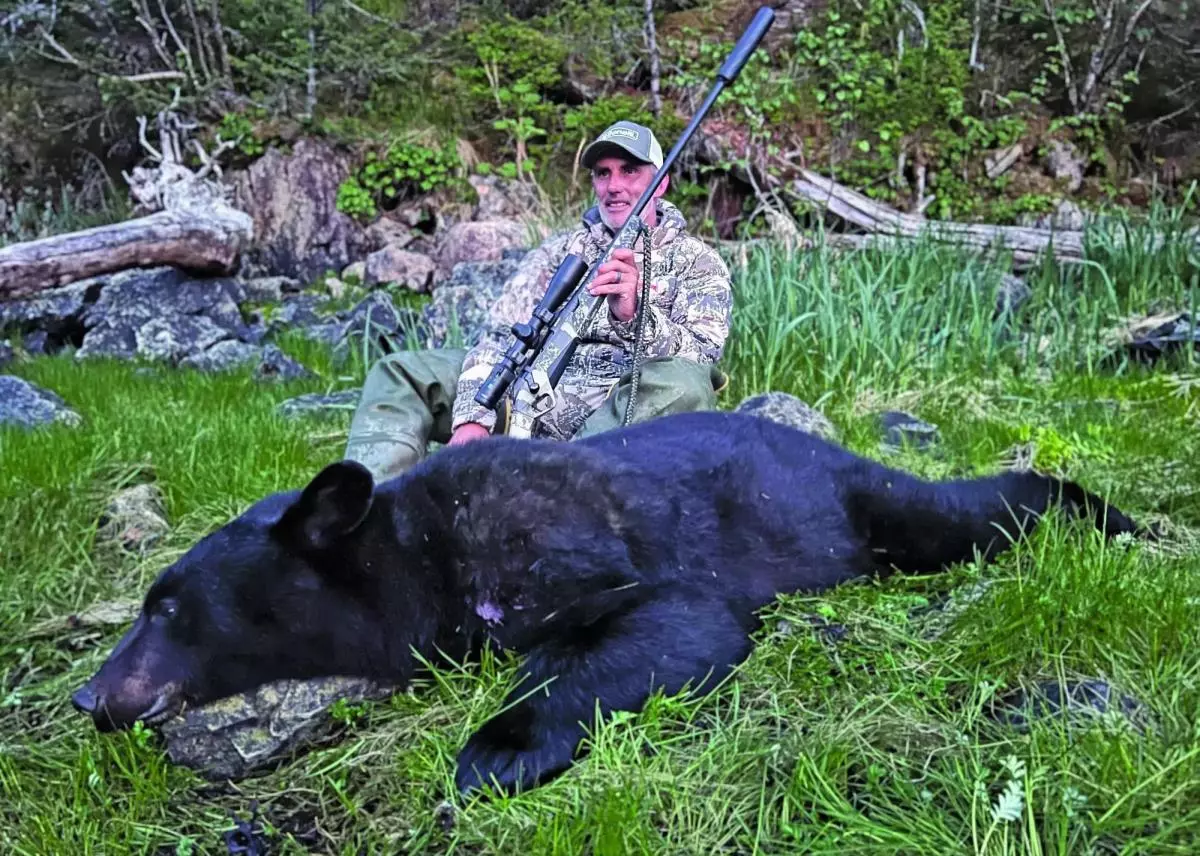
Seeing a bear up close is something that instantly commands attention. The size alone is enough to make anyone freeze, and that reaction can actually work in your favor if handled properly. I have always kept in mind that most bears are not looking for a fight, but they will defend themselves or their cubs if they feel threatened.
The first thing I do is avoid direct eye contact while still keeping the bear in my field of vision. Staring directly can be interpreted as a challenge, and that is not a message I want to send. At the same time, I do not turn my back, because losing sight of the bear can put me at a disadvantage if it decides to move closer.
Making myself look bigger helps communicate that I am not easy prey. I slowly raise my arms or open my jacket while speaking in a calm, steady voice. This signals awareness and confidence without aggression. If I am carrying anything like a backpack, I keep it on, as it can offer some protection in case things go wrong.
Backing away slowly is key. I take deliberate steps, making sure not to trip or make sudden movements. If the bear follows, I continue to maintain that calm posture, showing that I am not a threat but also not something to chase. In the rare case of a charge, standing my ground often stops a bluff charge, which is more common than an actual attack.
If contact becomes unavoidable, the response depends on the type of bear. Playing dead can work with defensive attacks, especially with grizzlies, while fighting back aggressively is often recommended in a predatory attack. These distinctions matter, and knowing the environment I am in helps me prepare mentally for the right response.
How to React When Facing a Wolf
Wolves carry a different kind of energy compared to bears. They are observant, calculated, and often move in packs, which adds another layer of complexity. Encounters are rare, but they do happen, especially in remote areas where human presence is minimal.
The first thing I focus on is asserting myself without appearing aggressive. Standing tall and maintaining eye contact in this case can be effective, as wolves respect dominance and awareness. I do not crouch or make myself smaller, because that can signal vulnerability.
Making noise can discourage a wolf from getting too close. I have found that speaking firmly, clapping, or even using objects to create sound helps establish boundaries. Wolves are cautious by nature, and they tend to avoid situations that seem unpredictable or risky.
Backing away slowly while facing the wolf is important. Turning away or running can trigger pursuit, and that is something I want to avoid at all costs. If the wolf approaches, I increase my presence by raising my arms and maintaining that steady, confident stance.
In the rare event of an attack, fighting back becomes necessary. Targeting sensitive areas like the eyes and nose can make a difference. Using anything available, such as sticks or rocks, gives me an advantage in defending myself. The goal is to convince the wolf that I am not worth the effort, forcing it to retreat.
Handling a Snake Encounter Safely
Snakes are a different challenge altogether. They rely on stealth and often go unnoticed until the last moment. Most bites happen because a person accidentally steps too close or tries to interact with the snake, which is something I always avoid.
The moment I spot a snake, I stop moving. Sudden movements can startle it, increasing the chances of a defensive strike. I take a second to observe its position and behavior, giving myself time to plan a safe way to move away.
Distance is the most effective form of safety. I slowly step back, making sure not to corner the snake or block its escape route. Snakes prefer to avoid confrontation, and giving them space allows them to retreat on their own.
Trying to identify the snake can be useful, but it is not something I prioritize in the moment. Whether it is venomous or not, the response remains the same: create distance and avoid provoking it. Attempting to handle or kill the snake only increases the risk of a bite.
If a bite does occur, staying calm becomes critical. Panic can accelerate the spread of venom, making the situation worse. I focus on keeping the affected area still and seek medical attention as quickly as possible, avoiding outdated methods like cutting the wound or trying to suck out the venom.
Preparing Before Entering Wildlife Areas
Preparation starts long before any encounter happens. I make it a habit to research the area I plan to visit, taking note of the types of wildlife that are commonly found there. This helps me anticipate potential risks and adjust my behavior accordingly.
Carrying the right gear makes a significant difference. Items like bear spray, a whistle, and a first aid kit are not just extras, they are essential tools that can improve my chances of staying safe. Knowing how to use them properly is just as important as having them.
Traveling with others adds another layer of safety. Groups are less likely to be targeted by predators, and having more people means more awareness and support in case something goes wrong. Even simple things like making noise while hiking can reduce the likelihood of surprising an animal.
Staying on marked trails and being aware of surroundings also play a big role. I pay attention to signs like tracks, droppings, or unusual sounds, as they can indicate the presence of wildlife nearby. Being alert allows me to avoid encounters rather than react to them.
Respecting Wildlife and Their Space
Encounters with animals are not just about survival, they are about coexistence. I have learned that respecting their space is one of the most effective ways to prevent dangerous situations. Animals are not out to harm humans without reason, and most conflicts arise from misunderstandings or perceived threats.
Keeping a safe distance is a simple yet powerful practice. Getting too close, even out of curiosity, can stress the animal and provoke defensive behavior. Observing from afar allows me to appreciate wildlife without putting myself or the animal at risk.
Feeding wildlife is something I completely avoid. It may seem harmless, but it can change an animal’s behavior, making it more likely to approach humans in the future. This creates long-term risks not just for me, but for others who visit the same area.
Leaving no trace is another principle I follow closely. Properly disposing of food and waste reduces the chances of attracting animals. A clean environment benefits both humans and wildlife, maintaining a balance that keeps encounters rare and manageable.
Final Thoughts on Staying Safe Outdoors
Facing a bear, wolf, or snake is not something anyone plans for, yet it is a possibility that comes with exploring natural environments. The key lies in preparation, awareness, and the ability to stay calm under pressure. Each animal requires a slightly different response, but the underlying principle remains the same: avoid provoking, create space, and maintain control of the situation.
I have come to see these encounters not as moments of fear, but as reminders of how powerful and unpredictable nature can be. Respecting that power is what keeps me safe and allows me to continue exploring without unnecessary risk. The more time I spend outdoors, the more I realize that knowledge and mindset are the most valuable tools I carry with me.