
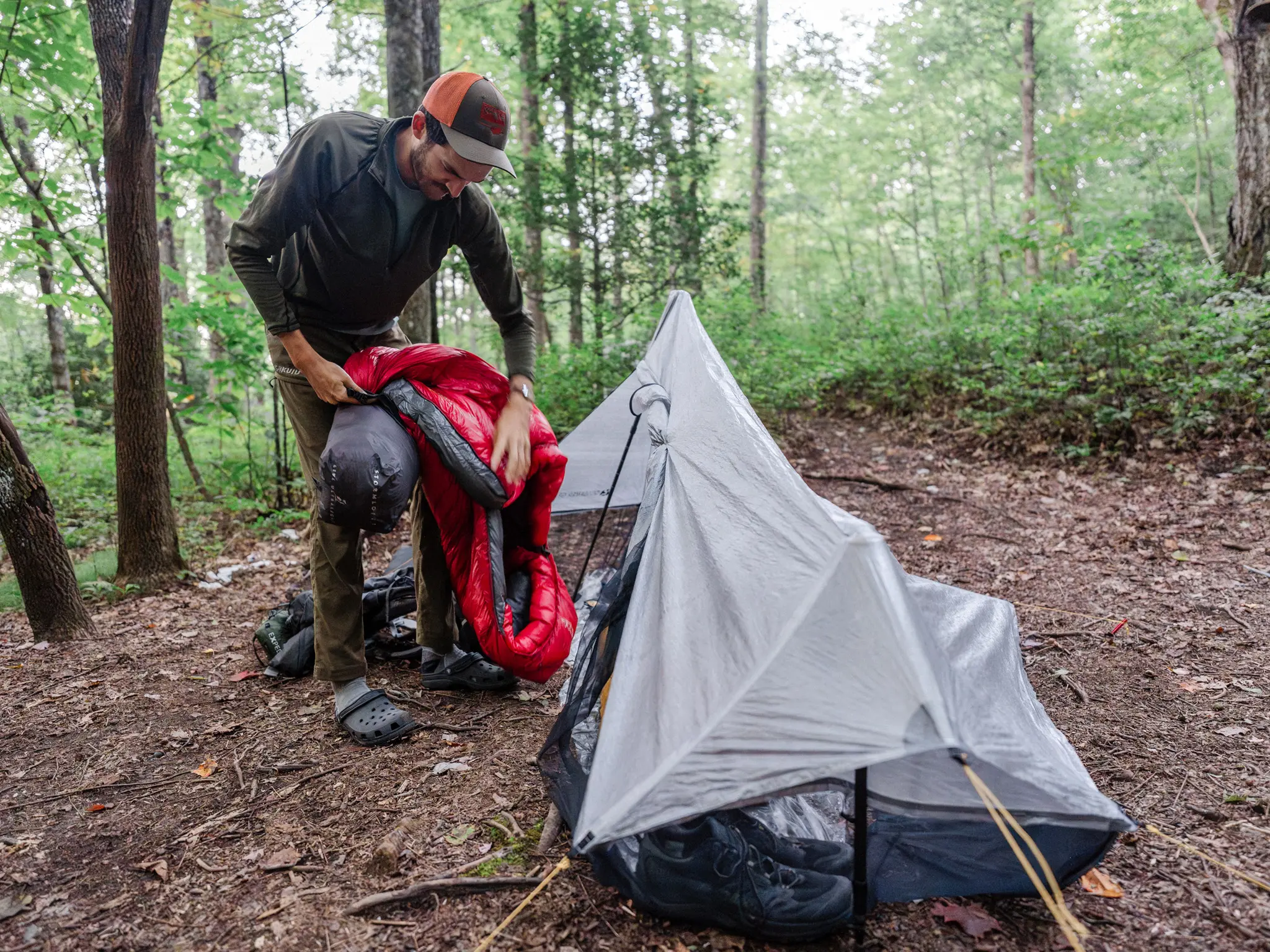

Cold has a way of creeping in slowly, settling into your bones before you even notice it, and I’ve learned that staying warm without modern gear is less about fighting the environment and more about working with it. Over time, I’ve relied on simple techniques, practical habits, and a deeper awareness of my surroundings to stay comfortable even in harsh conditions. It is not about having the best equipment, but about using what is available with intention and care. The body, the land, and a few thoughtful strategies can make all the difference.
Building Heat From Within
The most reliable source of warmth has always been my own body. Movement plays a crucial role, and I make sure not to stay still for too long when the temperature drops. Even light activity like walking, stretching, or gathering materials keeps circulation going and prevents that biting chill from settling in. I’ve noticed that once I become inactive, it takes significantly more effort to warm up again.
Food also becomes a form of fuel in the truest sense. I prioritize meals that are rich in fats and carbohydrates because they burn longer and generate sustained heat. Warm food helps, but even if that is not available, consistent eating keeps my energy levels stable. Hydration matters just as much, since dehydration makes it harder for the body to regulate temperature.
Mental focus plays a subtle role as well. Instead of fixating on the cold, I direct my attention toward tasks or goals. This shift in mindset reduces discomfort and helps me stay engaged, which indirectly keeps me warmer.

Layering With What Is Available
Clothing does not need to be advanced or specialized to be effective. I rely on layering, even if it means using unconventional materials like extra shirts, scarves, or pieces of fabric. The goal is to trap air between layers, since air acts as insulation and slows down heat loss.
I pay close attention to keeping my core warm because it protects vital organs and helps maintain overall body temperature. Covering extremities is just as important, especially the hands, feet, and head. A significant amount of heat escapes from these areas, and even simple coverings can make a noticeable difference.
Dryness is something I never overlook. Wet clothing draws heat away from the body quickly, so I make an effort to stay as dry as possible. If something becomes damp, I replace or dry it immediately, even if that means improvising with limited resources.
Using Shelter To Your Advantage
Shelter is not just about having a roof over your head, but about minimizing exposure to wind and retaining warmth. I look for natural barriers like trees, rocks, or terrain features that can block wind and create a more stable environment. Even a slight reduction in wind can significantly improve how warm I feel.
When building or choosing a shelter, I focus on making it compact. Smaller spaces are easier to warm because they trap heat more efficiently. I also make use of materials like leaves, grass, or even dirt to add insulation to walls and flooring.
Ground insulation is something that often gets overlooked, but it makes a big difference. Direct contact with cold ground drains heat quickly, so I always place a layer of something between myself and the surface. Even a pile of dry leaves or branches can help reduce heat loss.
Mastering Fire Without Tools
Fire has always been one of the most dependable ways to stay warm, and learning to create it without modern tools has been a valuable skill. I rely on friction methods or simple spark techniques using available materials. It takes patience and practice, but once mastered, it becomes second nature.
Positioning the fire correctly is just as important as building it. I place it where it can reflect heat toward me, often using rocks or a natural wall as a barrier. This helps direct warmth and makes the fire more efficient.
Maintaining a steady fire requires attention. I gather enough fuel in advance so I do not have to leave the warmth frequently. Different types of wood burn differently, so I combine smaller sticks for ignition with larger pieces for sustained heat.
Insulating The Sleeping Area
Sleep becomes challenging in cold conditions, but it is not impossible. I focus on creating a sleeping setup that retains as much heat as possible. Layering materials beneath and around me helps trap warmth throughout the night.
I avoid sleeping directly on the ground by building up a base of insulating materials. This reduces the amount of heat lost to the surface. Covering myself with whatever is available, including clothing or natural materials, adds another layer of protection.
Positioning also matters. Curling up reduces exposed surface area and helps conserve heat. It may not be the most comfortable position, but it is effective in maintaining warmth.
Using Natural Materials Effectively
Nature provides more resources than it might seem at first glance. I use leaves, grass, moss, and even snow as insulation when needed. These materials can be layered to create barriers against cold air and help retain heat.
Branches and logs can be arranged to form structures that block wind or support coverings. Even small adjustments in how materials are used can make a noticeable difference in warmth.
I pay attention to what is dry and what is not. Dry materials are far more effective at insulating, while wet ones can have the opposite effect. Selecting the right materials is just as important as how they are used.
Managing Moisture And Sweat
One of the biggest mistakes I have learned to avoid is letting sweat build up. While movement is essential for warmth, excessive sweating can lead to damp clothing, which quickly becomes a problem in cold conditions.
I pace myself to maintain a balance between staying active and avoiding overheating. If I start to feel too warm, I remove a layer or slow down to prevent sweating. It is easier to stay warm by managing moisture than trying to dry off later.
Ventilation plays a role here as well. Allowing some airflow prevents moisture from accumulating, especially inside a shelter. It is a delicate balance, but one that makes a significant difference.
Harnessing Body Heat
Sharing warmth with others can be incredibly effective. Close proximity allows body heat to be conserved and shared, making it easier for everyone to stay warm. Even without others, I use techniques like tucking my hands under my arms or between my legs to retain heat.
I also make use of whatever items I have to trap warmth close to my body. Wrapping myself tightly or using barriers to block cold air helps maintain a stable temperature.
Small adjustments in how I position myself or arrange materials can have a surprisingly large impact. It is often these subtle changes that make the biggest difference over time.
Timing Activities Around Temperature
Cold conditions change throughout the day, and I adjust my activities accordingly. I take advantage of daylight hours when temperatures are higher to gather resources, build shelter, or prepare food.
As the temperature drops, I shift my focus to maintaining warmth and conserving energy. This might mean staying closer to a fire or inside a shelter. Planning ahead ensures that I am not caught unprepared when the cold intensifies.
Rest becomes more strategic as well. I avoid long periods of inactivity during the coldest times unless I have adequate insulation and protection. Staying mindful of timing helps me use my energy more effectively.
Maintaining A Resilient Mindset
Cold can wear down both the body and the mind, and staying warm often depends on maintaining a strong mental state. I remind myself that discomfort is temporary and manageable with the right actions.
Breaking tasks into smaller steps makes them feel more achievable. Instead of focusing on the overall challenge, I concentrate on immediate needs like gathering materials or improving my shelter.
Confidence builds with experience, and each successful effort reinforces the ability to handle cold conditions. Over time, what once felt overwhelming becomes manageable, and even familiar.
Final Thoughts On Staying Warm Naturally
Staying warm without modern gear is not about a single technique, but about combining multiple strategies into a cohesive approach. Each method supports the others, creating a system that works even in challenging conditions.
I have found that awareness, preparation, and adaptability are the most valuable tools. By paying attention to the body, the environment, and available resources, it becomes possible to maintain warmth without relying on modern conveniences.
The cold may be persistent, but it is not unbeatable. With the right mindset and practical actions, warmth can be created and sustained in ways that feel both simple and effective.