
Money disappears fast when building a survival kit, and it’s easy to get pulled into buying gear that looks impressive but delivers very little when it actually matters. I’ve gone through enough trial and error to recognize which items tend to disappoint, either because they’re poorly designed, overhyped, or simply unnecessary. Survival is about efficiency, reliability, and practicality, not flashy gadgets or marketing promises. The more I refined my kit, the more I realized that avoiding bad purchases is just as important as finding the right ones.
Cheap Multi-Tools That Try to Do Everything
Low-quality multi-tools often promise dozens of functions packed into a compact form, but they usually fail at the basics. The pliers feel loose, the blades dull quickly, and the smaller tools bend or snap under pressure. A tool that breaks in a real survival situation isn’t just inconvenient, it can put you in serious danger.
I’ve handled enough bargain multi-tools to know that most of them are built more for novelty than durability. They might seem like a great deal at first, especially with so many features listed on the packaging, but those features are rarely dependable. Instead of relying on one poorly made tool that does everything badly, I’ve found it far more effective to carry a few high-quality essentials that each serve a clear purpose.
Overpriced Tactical Pens
Tactical pens are marketed as self-defense tools, glass breakers, and writing instruments all in one. While they look sleek and rugged, most of them are overpriced for what they actually offer. The self-defense capability is limited, and in many situations, it’s not practical or effective compared to other tools.

I’ve seen people spend a surprising amount of money on these pens, expecting them to be game-changers in emergencies. In reality, they often end up being just a heavy pen that’s uncomfortable to write with. A solid flashlight or a well-made knife provides far more real-world utility than a tactical pen ever will.
Mini Survival Kits Packed With Useless Items
Pre-made mini survival kits often look appealing because they’re compact and claim to include everything needed for emergencies. The problem is that most of the items inside are low quality, poorly thought out, or simply unnecessary. Tiny compasses that don’t point accurately and flimsy tools that break easily are common in these kits.
I’ve opened several of these kits and found that they prioritize quantity over usefulness. Instead of relying on a pre-packaged solution, I prefer building my own kit with items I trust. It takes more effort, but it ensures every piece of gear serves a real purpose and won’t fail when needed.
Solar Chargers With Unrealistic Expectations
Solar chargers sound like a perfect solution for staying powered off-grid, but many of the cheaper models are unreliable. They charge extremely slowly, struggle in less-than-perfect sunlight, and often fail to deliver enough power to be truly useful. Marketing claims rarely match real-world performance.
I’ve tested a few budget solar chargers and found them frustrating in anything other than ideal conditions. A power bank combined with proper energy management is often more dependable. If solar is part of the plan, investing in a high-quality panel makes a huge difference, but the cheap options are rarely worth the money.
Paracord Bracelets Loaded With Gimmicks
Paracord bracelets can be useful if they provide genuine cordage in a compact form. The problem starts when they’re overloaded with tiny tools like weak fire starters, miniature compasses, and tiny whistles. These add-ons are usually low quality and not something I would trust in a serious situation.
I’ve seen bracelets that try to pack in so many features that they compromise the one thing that matters most, which is the paracord itself. A simple length of good-quality paracord is far more useful than a bracelet full of gimmicks. It’s one of those cases where simplicity beats complexity every time.
Oversized Survival Knives With Poor Design
Big survival knives often look impressive and intimidating, but size alone doesn’t guarantee performance. Many oversized knives are poorly balanced, difficult to control, and made from low-quality steel. They might look like they belong in a survival scenario, but they can be more of a burden than an asset.
I’ve handled large knives that felt more like props than tools. In real situations, precision and reliability matter more than sheer size. A well-made, mid-sized knife with good ergonomics is far more practical for tasks like carving, cutting, and food preparation.
Water Filters That Lack Certification
Clean water is non-negotiable in survival, which makes unreliable water filters a serious risk. Some inexpensive filters claim to remove contaminants but lack proper certification or testing. Using one of these can give a false sense of security while still exposing you to harmful pathogens.
I’ve learned to pay close attention to specifications and certifications when it comes to water filtration. It’s not an area where cutting corners makes sense. A trusted filter might cost more upfront, but it provides peace of mind and actual protection, which is worth every cent.
Emergency Radios With Weak Build Quality
Emergency radios are supposed to keep you informed and connected, but many cheap models fall apart quickly or fail to pick up signals effectively. Crank handles break, batteries degrade quickly, and reception can be inconsistent. In an emergency, that unreliability becomes a major problem.
I’ve tested a few low-cost radios and found that they often struggle with basic functionality. A dependable radio should feel solid, have consistent reception, and offer multiple power options that actually work. Spending a bit more on quality here can make a significant difference.
Tactical Backpacks That Sacrifice Comfort
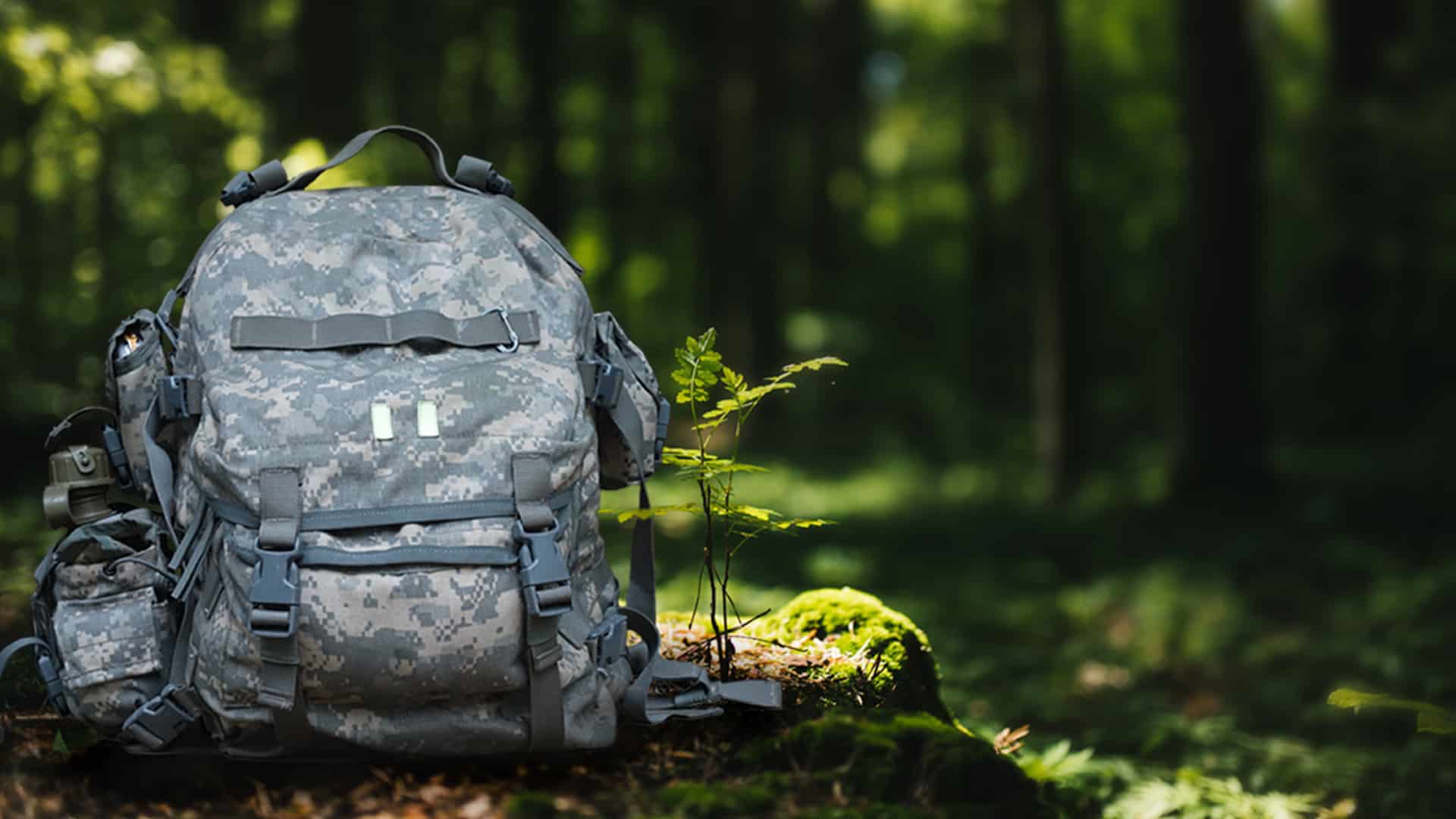
Some tactical backpacks are designed with aesthetics in mind rather than usability. They’re covered in straps and compartments but lack proper support, padding, or weight distribution. Carrying one for extended periods can quickly become uncomfortable and exhausting.
I’ve tried backpacks that looked great but felt terrible after just a short hike. Comfort and durability should always come first. A well-designed pack that fits properly and distributes weight evenly is far more valuable than one that simply looks tactical.
Fire Starters That Fail Under Pressure
Fire-starting tools are essential, but not all of them are reliable. Cheap ferro rods can wear down quickly, and low-quality lighters may fail in cold or wet conditions. Some kits include fire starters that look functional but don’t perform when it counts.
I’ve tested various options and found that reliability is everything in this category. A fire starter should work consistently, even in less-than-ideal conditions. It’s better to invest in proven tools and practice using them than to rely on something that might fail at the worst possible moment.
Camouflage Gear That Serves No Real Purpose
Camouflage clothing and gear can be useful in specific situations, but it’s often overhyped. Many people buy full camo setups without a clear need for them, assuming it’s essential for survival. In most cases, practicality and weather-appropriate clothing matter far more than blending into the environment.
I’ve seen people prioritize camouflage over basic functionality like insulation or waterproofing. Staying warm, dry, and comfortable has a much bigger impact on survival than matching the color of your surroundings. Camo has its place, but it’s not a priority for most scenarios.
Survival Shovels With Too Many Attachments
Multi-function survival shovels often come with a range of attachments, from saw blades to bottle openers. While the idea sounds useful, these tools are usually bulky and not particularly good at any one task. The shovel itself can feel कमजोर, and the attachments rarely hold up under stress.
I’ve handled a few of these and found them more cumbersome than helpful. A sturdy, straightforward shovel is far more reliable. Adding unnecessary features often compromises strength and usability, which defeats the purpose of carrying the tool in the first place.
Cheap Headlamps With Poor Battery Life
A reliable light source is critical, especially at night or in low-visibility conditions. Cheap headlamps often have weak output, inconsistent brightness, and short battery life. They might work fine initially, but performance tends to drop quickly.
I’ve used headlamps that dimmed after minimal use, making them unreliable for extended tasks. A good headlamp should provide consistent illumination and last long enough to be dependable. Investing in quality here ensures you’re not left in the dark when it matters most.
Inflatable Survival Shelters That Don’t Last
Inflatable shelters might seem convenient because they’re lightweight and easy to set up. The problem is that they’re vulnerable to punctures and damage, especially in rough environments. A single tear can render them useless.
I’ve seen these shelters fail under conditions that a basic tarp could handle without issue. Durability is far more important than convenience in survival gear. A simple, rugged shelter option often proves to be more reliable and versatile.
Final Thoughts on Spending Smarter
Avoiding bad gear is one of the most effective ways to improve a survival setup. Every item should earn its place by being reliable, practical, and suited to real-world conditions. Flashy features and marketing claims don’t mean much when you’re depending on your gear to perform.
I’ve learned that simplicity and quality go a long way. It’s better to have fewer items that you trust completely than a collection of gadgets that might fail. Taking the time to research, test, and refine your gear pays off in the long run, both in performance and in avoiding wasted money.