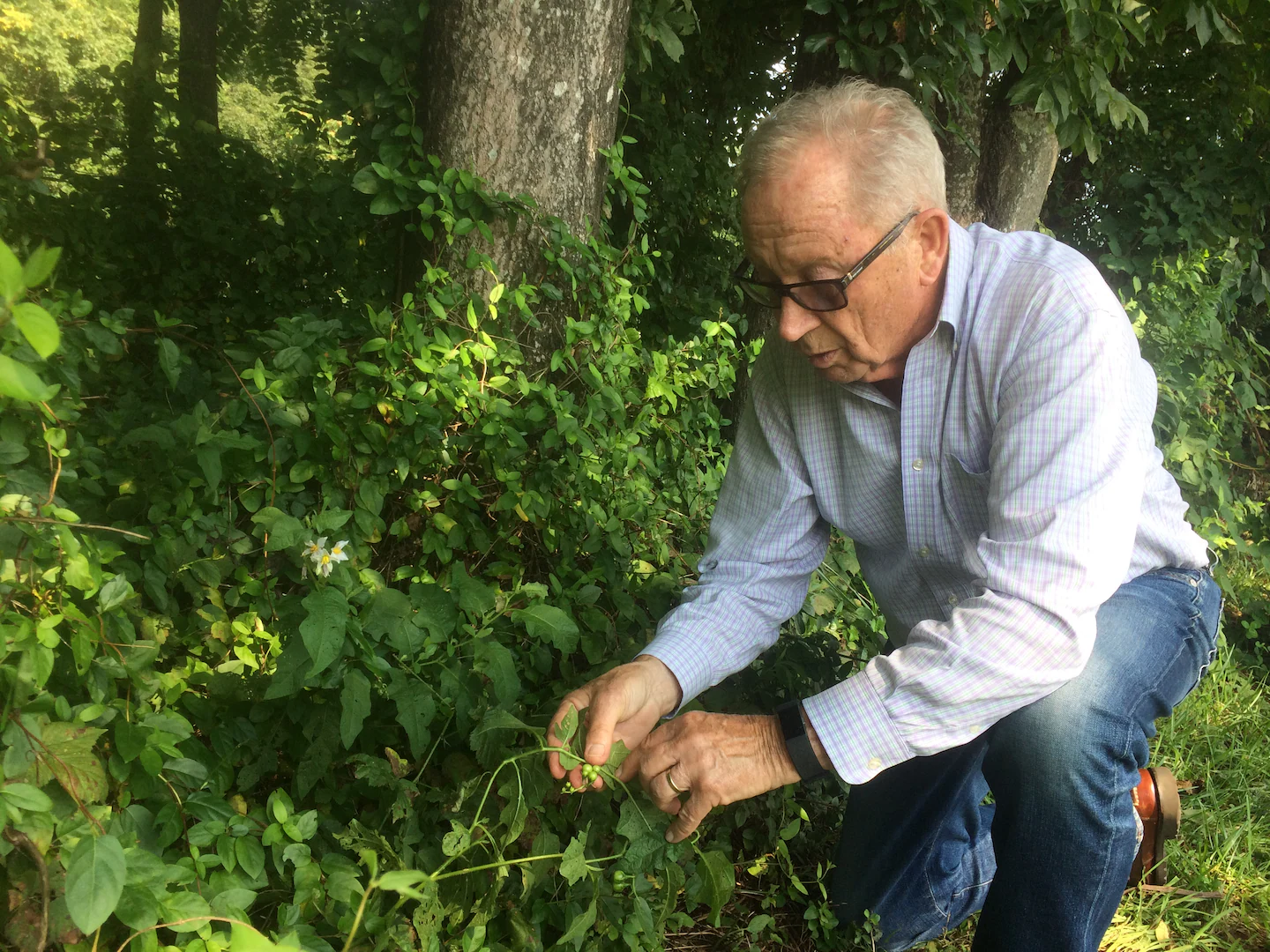
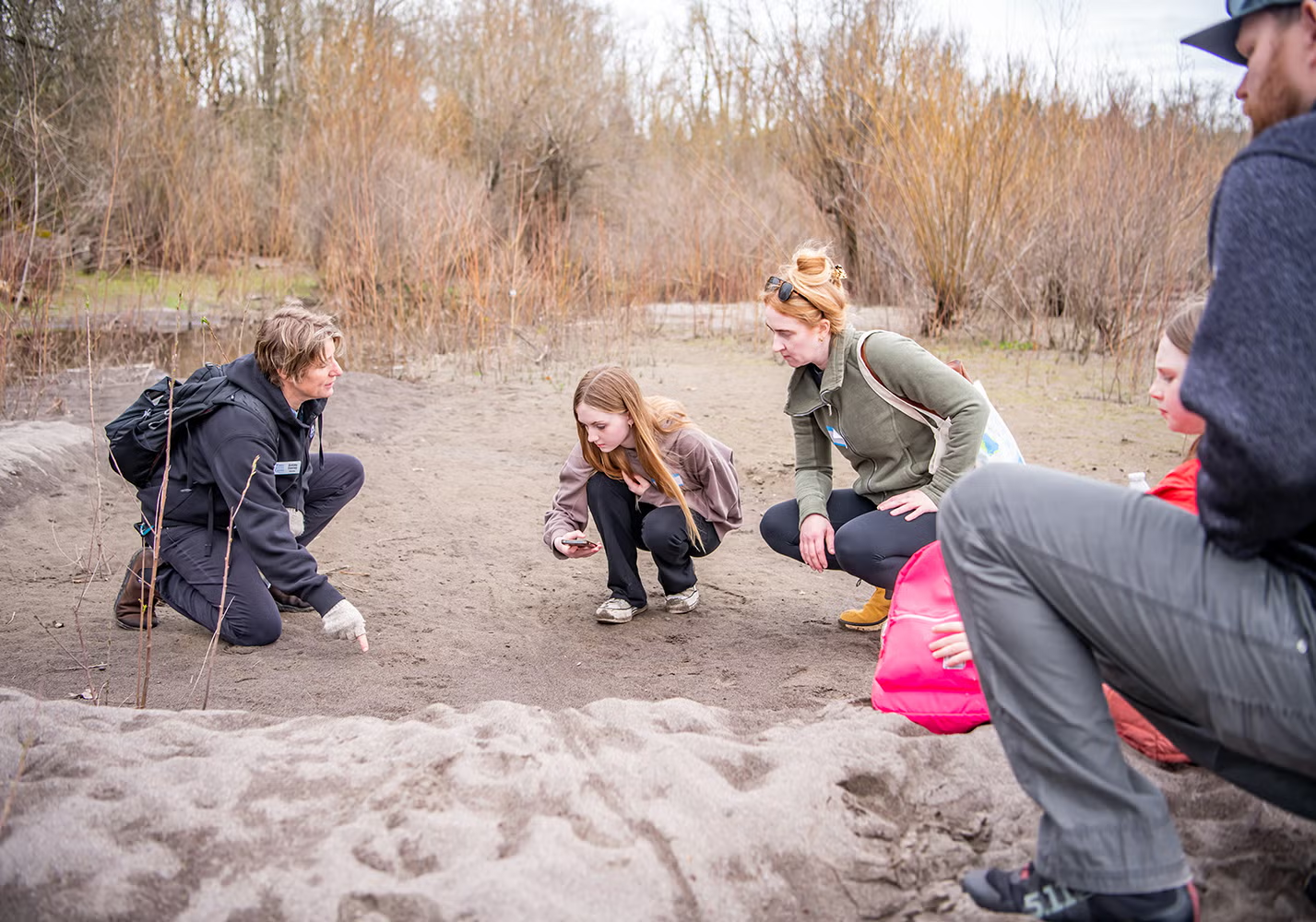

The forest reveals far more than what most people notice at first glance, and tracking animals is about reading those quiet signs written across the ground, trees, and air. I’ve spent long hours walking through mud, dry leaves, and riverbanks, slowly sharpening the ability to notice details that once escaped me. Each step in the wild becomes more intentional, every mark more meaningful, and over time, patterns begin to emerge where there once seemed like randomness. Tracking is not just a skill but a way of seeing, one that transforms a simple walk into a story unfolding beneath your feet.
Reading The Ground Like A Map
The ground tells the most obvious story, but it takes patience to read it clearly. Footprints vary depending on soil type, moisture, and how recently the animal passed through, so I always take time to examine depth, shape, and direction. A fresh track often has sharp edges and clear impressions, while older ones appear softened or partially erased by wind and time.
I pay attention to stride length and spacing between prints, as they reveal whether the animal was walking, running, or pausing. Consistent spacing suggests calm movement, while erratic patterns often indicate alertness or escape. The ground becomes a living record, and each step I take alongside those tracks connects me to the animal’s recent journey.
Identifying Different Animal Tracks
Each species leaves a unique signature, and recognizing those differences is what separates guesswork from real tracking. Hoofed animals like deer leave pointed, heart-shaped prints, while predators such as dogs or foxes show claw marks and a more rounded pad structure. Small mammals create lighter impressions, often clustered together, while larger animals leave deeper, more spaced-out tracks.

I learned quickly that memorization alone isn’t enough, and context matters just as much as shape. The same track can look different depending on terrain, which is why I compare multiple prints before making any conclusion. Over time, patterns become familiar, and identifying tracks starts to feel less like analysis and more like recognition.
Noticing Subtle Signs Beyond Footprints
Tracks are only one piece of the puzzle, and relying on them alone can lead to missed opportunities. Broken twigs, bent grass, and disturbed soil often point to movement even when footprints are unclear or absent. I look for signs of feeding, such as stripped bark, chewed plants, or scattered remains that indicate an animal’s recent activity.
Scat also provides valuable clues, revealing diet, size, and how recently the animal was in the area. Fresh droppings are moist and darker in color, while older ones dry out and lose their scent. Paying attention to these subtle details allows me to continue tracking even when the ground offers little to work with.
Following Trails Through Different Terrain
Each environment presents its own challenges, and adapting to those changes is part of becoming effective at tracking. In muddy or wet areas, prints are easier to spot but can quickly degrade if conditions change. Dry terrain requires sharper observation, as tracks may only appear as slight disturbances or compressed soil.
Rocky ground often forces me to rely on displaced stones or faint scuff marks rather than clear prints. In forests, fallen leaves can hide tracks, but subtle shifts in their arrangement often reveal a path. Moving through different terrains has taught me to stay flexible and trust a combination of signs rather than relying on a single clue.
Interpreting Animal Behavior From Tracks
Tracking goes beyond finding where an animal has been, and it starts to reveal what it was doing and why. A set of tracks that circles an area might indicate foraging, while a straight, steady line suggests purposeful movement. Sudden changes in direction often signal that the animal was startled or reacting to something in its environment.
I pay close attention to areas where tracks overlap or intersect, as they can indicate interaction between animals. Signs of struggle, such as disturbed ground or scattered fur, tell a story of predator and prey. These details bring the experience to life, turning simple tracks into a narrative that unfolds step by step.
Timing And Freshness Of Tracks
Knowing how recent a track is can make the difference between following a live trail and chasing something long gone. Fresh tracks usually retain moisture and sharp definition, while older ones become faded and filled with debris. Weather plays a significant role, as rain can wash away details and wind can soften edges.
I often place my hand near a track to feel the temperature of the ground and compare it with surrounding soil. Slight differences can hint at recent disturbance, especially in shaded areas. Timing becomes an intuitive skill over time, allowing me to decide whether to continue tracking or move on.
Moving Quietly And Staying Undetected
Tracking is not just about observation but also about how I move through the environment. Loud footsteps, sudden movements, and strong scents can alert animals long before I ever see them. I take slow, deliberate steps, placing my feet carefully to avoid snapping twigs or rustling leaves.
Wind direction is always on my mind, as animals rely heavily on their sense of smell. Staying downwind increases the chances of remaining unnoticed, especially when following fresh tracks. Blending into the surroundings becomes part of the process, allowing me to observe without disrupting the natural flow of the environment.
Using Natural Patterns To Stay On Track
Animals tend to follow patterns, often using the same paths repeatedly for feeding, watering, or shelter. These trails become more visible over time, marked by repeated use and subtle wear on the landscape. I look for these natural routes, especially near water sources or dense vegetation.
Game trails often intersect, creating a network that animals rely on for movement. By recognizing these patterns, I can anticipate where an animal might go next rather than simply reacting to each track. This approach saves time and increases the chances of maintaining a consistent trail.
Adapting To Weather And Environmental Changes
Weather can either help or hinder tracking, and learning to adapt is essential. Rain can erase tracks but also create fresh impressions once it stops, offering new opportunities. Wind can scatter leaves and obscure signs, making it harder to follow a trail accurately.
Hot conditions can dry out tracks quickly, while colder environments may preserve them longer. I adjust my expectations based on these factors, knowing that conditions influence how long signs remain visible. Adapting to these changes keeps the tracking process effective even when circumstances shift.
Building Patience And Awareness
Tracking demands patience more than anything else, and rushing often leads to missed details. I’ve learned to slow down, take breaks, and re-evaluate the signs in front of me rather than pushing forward blindly. The more time I spend observing, the more connections I begin to notice.
Awareness extends beyond the ground, including sounds, scents, and movement in the surroundings. Birds reacting suddenly or a distant rustle can indicate nearby activity. Developing this level of awareness turns tracking into a full sensory experience rather than a purely visual one.
Respecting Wildlife And The Environment
Tracking carries a responsibility to respect the animals and the habitats they depend on. Getting too close or disturbing their natural behavior can cause unnecessary stress or harm. I always maintain a safe distance and avoid interfering with nests, dens, or feeding areas.
Preserving the environment ensures that tracking remains possible for others and for future experiences. Leaving minimal impact, avoiding unnecessary disturbance, and respecting wildlife boundaries are essential parts of the practice. Tracking is not about control but about coexistence and observation.
Practicing And Refining The Skill
Skill develops through repetition, and every outing offers something new to learn. Mistakes are part of the process, and I’ve followed the wrong trail more times than I can count. Each misstep, however, adds to my ability to read signs more accurately in the future.
Returning to familiar areas helps reinforce patterns and build confidence. Over time, what once felt complicated becomes second nature, and tracking becomes more intuitive. Consistent practice transforms small observations into a reliable skill set.
Final Thoughts On Tracking Like A Pro
Tracking animals in the wild reshapes the way I experience nature, turning every detail into something worth noticing. It’s not about perfection or speed but about attention, patience, and respect for the environment. Each trail followed adds to a deeper connection with the natural world, one that goes beyond surface-level observation.
With time and persistence, the signs become clearer, and the stories they tell grow richer. Tracking is a skill that evolves continuously, offering new challenges and discoveries with every step. The wild has always been speaking, and learning to track simply means learning how to listen.