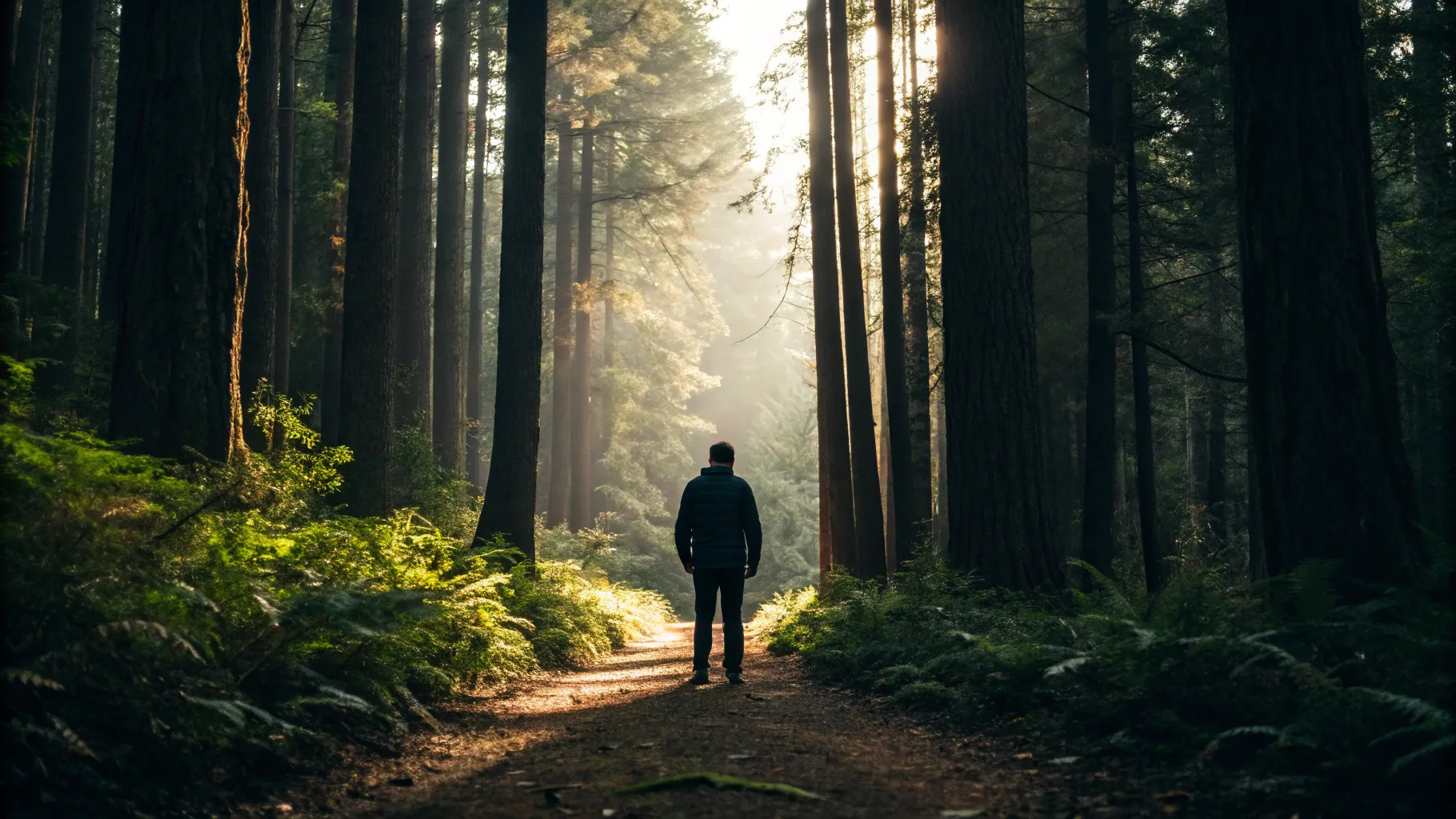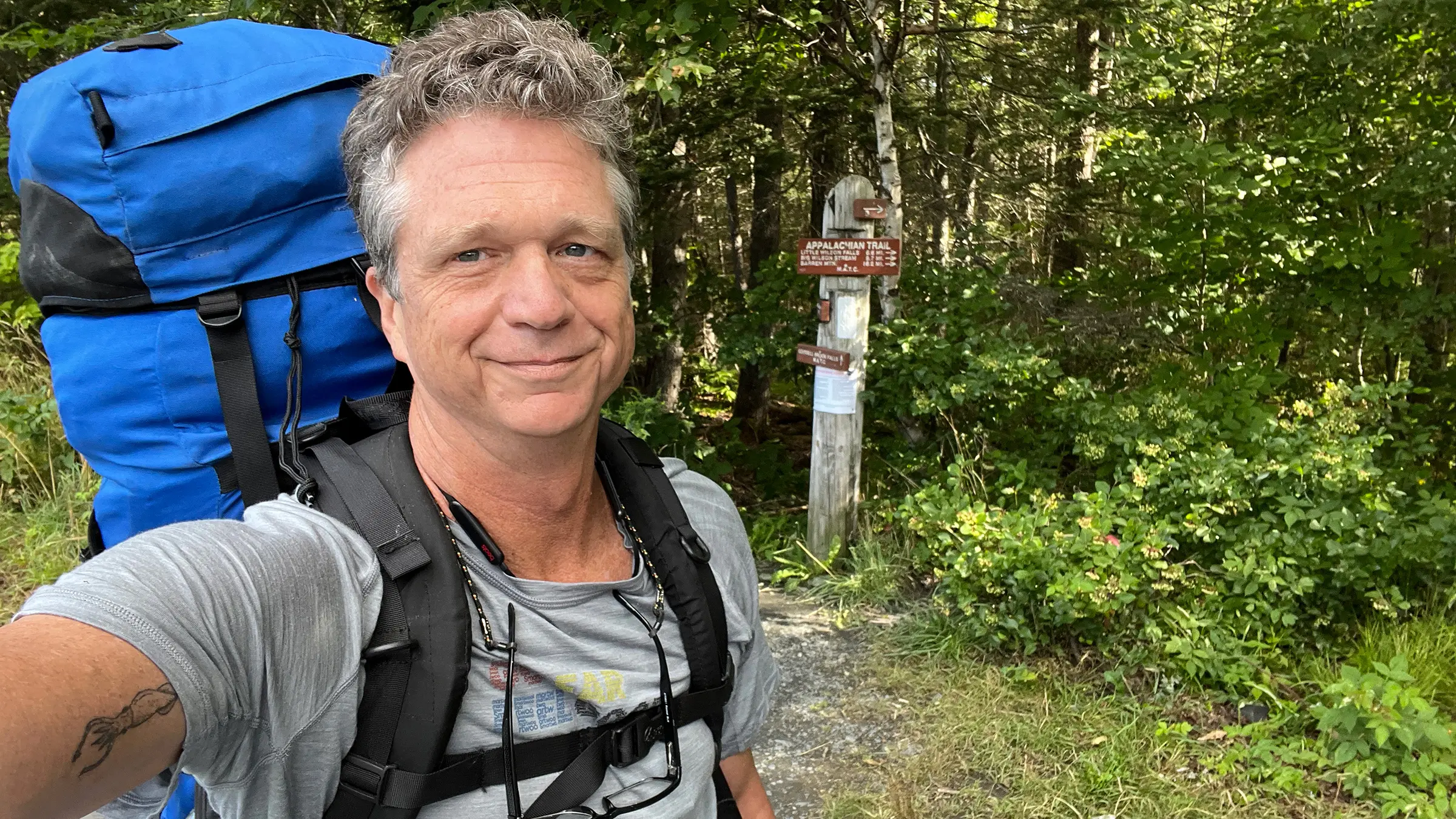
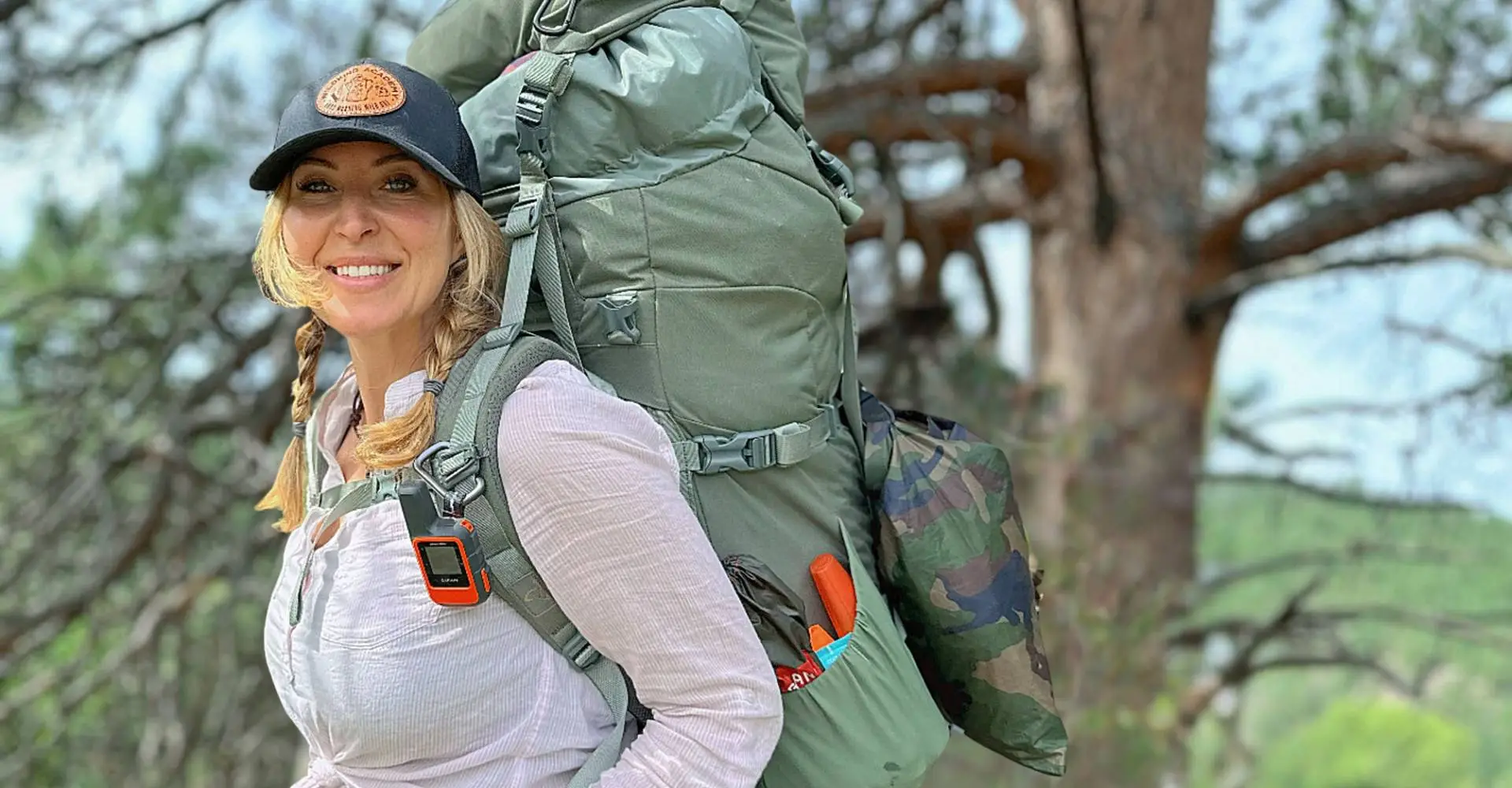
Stepping into the wilderness without preparation turns even a short trip into a serious challenge, and I learned quickly that survival is less about brute strength and more about calm thinking, awareness, and simple skills done right. The wild does not forgive panic or carelessness, but it rewards those who pay attention and adapt. Everything needed to stay alive is often already around you, but recognizing it takes practice and patience. This guide gathers the most essential lessons that helped me shift from uncertainty to confidence, focusing on practical actions that can make the difference between a bad situation and a manageable one.
Start With The Rule Of Priorities
Survival becomes clearer once priorities are set in the right order, because not every need is equally urgent. I always remind myself of the basic hierarchy: air, shelter, water, and food. Breathing is immediate, shelter protects from exposure, water sustains life after a few days, and food becomes critical later on. Thinking in this order prevents wasted energy and dangerous mistakes.
Cold, heat, wind, and rain can take a toll faster than hunger ever will. I have seen how exposure drains energy and clouds judgment within hours, making simple decisions feel overwhelming. Focusing on shelter early gives a stable base to work from, and that stability often determines whether the rest of the situation improves or worsens.
Once priorities are clear, decision-making becomes less emotional and more practical. Instead of reacting to fear, I follow a sequence that keeps me grounded. That mindset alone can significantly improve chances of staying safe in unpredictable conditions.

Stay Calm And Assess The Situation
The first real test in any survival scenario is mental control. Panic narrows vision and leads to rushed choices that can worsen the situation. I make it a habit to pause, breathe deeply, and observe my surroundings before taking action.
Looking around carefully reveals details that are easy to miss in a hurry. The direction of the sun, nearby water sources, signs of animal trails, and changes in terrain all offer useful clues. Each piece of information builds a clearer picture of where I am and what resources might be available.
Time spent assessing is never wasted because it prevents costly mistakes later. Acting without thinking can lead to getting lost, wasting energy, or damaging potential resources. A calm mind allows me to move deliberately instead of react impulsively.
Build A Reliable Shelter First
Shelter is often the difference between endurance and rapid decline. Even in mild climates, nighttime temperatures can drop enough to cause discomfort or even hypothermia. I focus on creating a barrier between myself and the elements as soon as possible.
Natural features like fallen trees, rock overhangs, or dense vegetation can serve as a base. From there, I add layers using branches, leaves, or anything available to block wind and retain warmth. The goal is not perfection but effectiveness, creating a space that conserves body heat and keeps moisture out.
Positioning matters just as much as construction. I avoid low areas where cold air settles or water might collect. A well-placed shelter reduces risk and improves rest, which is crucial for maintaining energy and clarity.
Find And Purify Water Safely
Water becomes critical faster than most people expect. Dehydration weakens the body, slows thinking, and increases vulnerability to other dangers. I prioritize locating a water source once shelter is secured.
Flowing water like streams is generally safer than stagnant pools, but it still requires treatment. Boiling remains the most reliable method, as it kills harmful organisms. If boiling is not possible, filtering through cloth and using purification tablets can help reduce risks.
Collecting rainwater is another effective option, especially during storms. I use any available surface to catch and store water, making the most of natural opportunities. Staying hydrated maintains strength and keeps decision-making sharp.
Learn Basic Fire Skills
Fire serves multiple purposes beyond warmth. It provides light, a way to purify water, a method for cooking food, and even a signal for rescue. I consider fire-building one of the most valuable survival skills to practice regularly.
Starting a fire requires three elements: fuel, heat, and oxygen. Dry tinder like leaves, bark, or grass helps ignite the flame, while small sticks gradually build it up. I pay attention to keeping materials dry and arranged in a way that allows airflow.
Maintaining fire is just as important as starting it. Feeding it steadily without smothering ensures it remains useful for as long as needed. A well-managed fire becomes a reliable tool rather than a temporary advantage.
Navigate Without Getting Lost
Losing direction can turn a manageable situation into a dangerous one. I rely on simple navigation techniques to maintain awareness of my location. The sun, stars, and natural landmarks all provide guidance when used correctly.
During the day, the sun’s movement helps establish general direction. At night, constellations can offer reliable reference points. I also make note of distinctive features like rivers, hills, or large trees to avoid moving in circles.
Marking a path with small indicators such as stacked stones or broken branches helps track movement. These markers serve as reassurance and make it easier to retrace steps if needed. Staying oriented reduces stress and conserves energy.
Use Simple Tools And Improvisation
Having tools makes survival easier, but improvisation bridges the gap when equipment is limited. I have learned to adapt materials from the environment into functional tools. A sturdy branch can become a walking stick or a spear, while sharp stones can serve as cutting edges.
Resourcefulness often matters more than the tools themselves. Seeing potential in ordinary objects transforms limitations into opportunities. That mindset allows me to solve problems without relying entirely on gear.
Carrying a basic kit still provides an advantage. A knife, fire starter, and cordage can simplify many tasks. Combining preparation with improvisation creates a flexible approach to survival challenges.
Recognize Safe And Unsafe Food
Food becomes important after water and shelter are secured, but not everything in the wild is safe to eat. I approach foraging with caution, focusing on familiar plants and avoiding anything uncertain. Mistakes in this area can have serious consequences.
Edible plants often have distinct characteristics, but proper knowledge is essential before relying on them. I stick to known options like certain fruits, nuts, or roots when available. Insects can also provide protein, though they require preparation and care.
Hunting or trapping requires skill and patience, so I do not depend on it as a primary solution. Conserving energy often matters more than pursuing food aggressively. Eating wisely supports long-term survival without unnecessary risks.
Signal For Rescue Effectively
Getting noticed can shorten a survival situation significantly. I make signaling a priority whenever there is a chance of being found. Visibility and contrast are key factors in attracting attention.
Smoke signals during the day and fire at night can be seen from a distance. Arranging materials in large, clear patterns on the ground also increases visibility. Reflective objects or bright colors can catch attention from passing aircraft or search teams.
Sound can also play a role in signaling. Whistles or repeated noises travel farther than the human voice alone. Combining multiple methods improves the chances of being located quickly.
Manage Energy And Avoid Exhaustion
Energy is a limited resource in survival situations, and wasting it can lead to rapid decline. I pace my activities carefully, balancing effort with rest. Overexertion often causes more harm than progress.
Short, deliberate tasks help maintain steady momentum without draining strength. I avoid unnecessary movement and focus on actions that directly improve my situation. Rest becomes a strategic choice rather than a luxury.
Sleep plays a critical role in maintaining mental clarity. Even brief periods of rest can restore focus and improve decision-making. Conserving energy ensures that I remain capable of handling challenges as they arise.
Adapt To Weather And Environment
Weather conditions can change quickly, and adapting to them is essential for survival. I pay close attention to signs of shifts in temperature, wind, and precipitation. Preparing ahead of time prevents being caught off guard.
In cold environments, insulation and dryness become priorities. Layering materials and staying off the ground help retain warmth. In hot conditions, shade and hydration take precedence to prevent heat-related issues.
Each environment presents unique challenges, but adaptability remains constant. Adjusting strategies based on conditions ensures that I stay responsive rather than reactive. That flexibility often determines how well I handle unexpected changes.
Build Confidence Through Practice
Survival skills improve with repetition and experience. I do not wait for emergencies to test my abilities but practice them in controlled settings. Building a fire, setting up shelter, and navigating terrain become more natural over time.
Mistakes made during practice provide valuable lessons without the pressure of real danger. Each attempt builds confidence and sharpens instincts. That preparation translates directly into better performance when it matters most.
Confidence is not about eliminating fear but managing it effectively. Knowing that I have practiced key skills allows me to stay composed in challenging situations. That sense of readiness can make all the difference.
Maintain A Positive And Focused Mindset
Mental resilience often determines the outcome of survival situations. I remind myself that challenges are temporary and solvable with the right approach. Staying focused on small, achievable tasks prevents feeling overwhelmed.
Breaking problems into manageable steps creates a sense of progress. Each completed task builds momentum and reinforces confidence. That forward movement keeps me engaged and motivated.
Hope plays a powerful role in survival. Believing that a solution exists encourages persistence and creativity. Holding onto that mindset allows me to push through difficult moments and continue working toward safety.