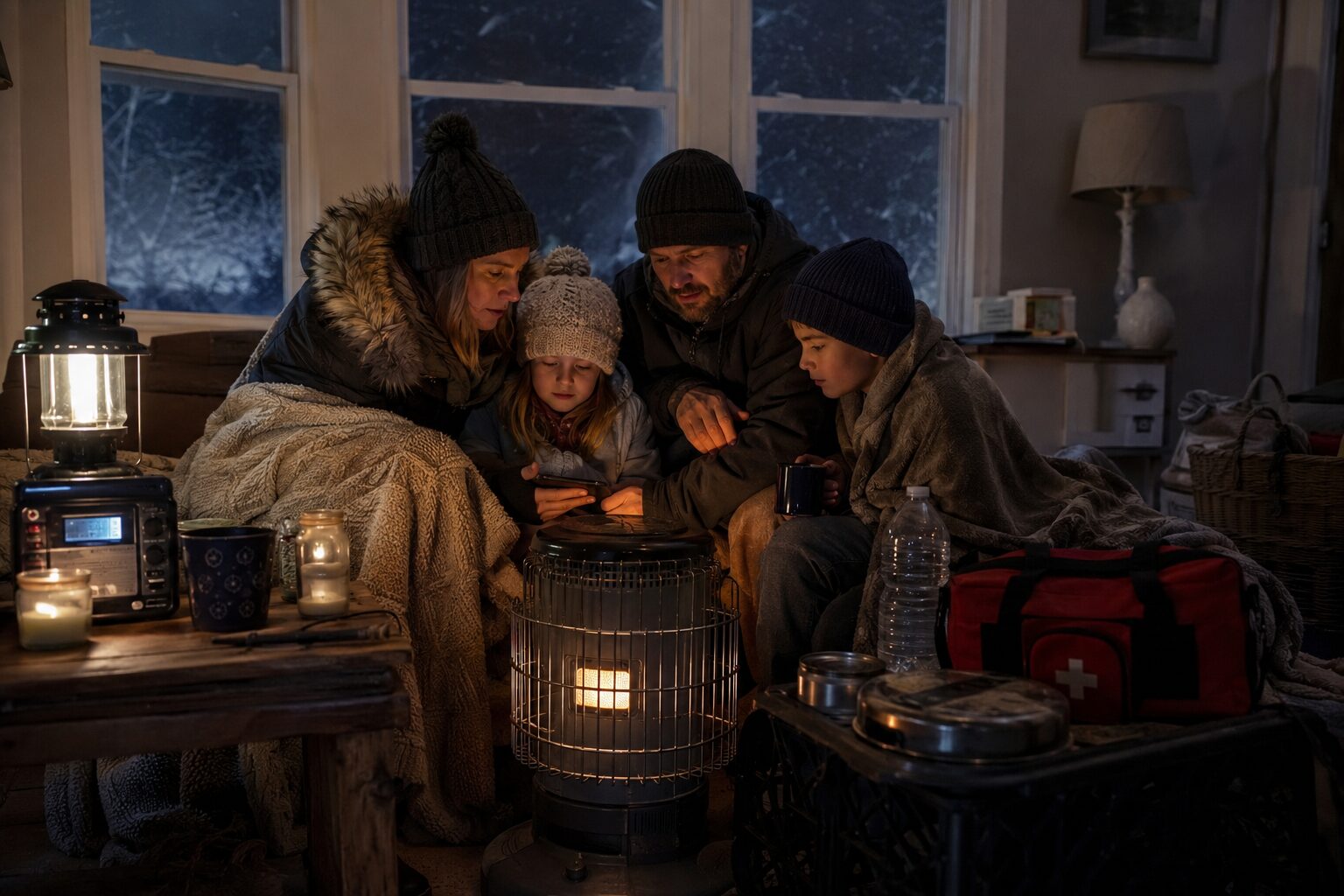
When the lights go out and temperatures keep falling, your home can become just as dangerous as the weather outside.
In February 2021, millions of Texans experienced something they never expected—days without electricity during freezing temperatures. Homes lost heat, water systems failed, grocery stores emptied, and many families were forced to survive in conditions they had never prepared for.
The Texas winter storm proved an important lesson: you don’t have to live in Alaska to face life-threatening cold. A power outage during freezing weather can happen almost anywhere.
Whether caused by an ice storm, blizzard, cyberattack, overloaded electrical grid, or natural disaster, knowing how to stay warm could save your life.

Elite Bug Out Bag, Rolling Bag | My Survival Outlet
Your First Priority: Stay Calm
The moment the power goes out, avoid panicking.
Instead, ask yourself:
- Is the outage just my house?
- Is the neighborhood dark?
- How cold is it outside?
- How long is the outage expected to last?
Use a battery-powered radio, NOAA weather radio, or your phone while it still has battery power to gather information.
If officials expect power to return within a few hours, your strategy will be different than if you’re facing several days without electricity.
Keep the Heat You Already Have
Most homes lose heat surprisingly fast.
The goal is not to heat the entire house.
Instead:
- Close every unused room.
- Gather everyone into one room.
- Shut doors throughout the house.
- Cover windows with blankets or towels.
- Place rolled towels under doors to stop drafts.
- Keep curtains closed.
By reducing the amount of space you’re trying to heat, your body heat alone can noticeably warm a small room.
Dress Like You’re Going Outside
Many people stay in pajamas and expect the house to stay warm.
Instead, layer your clothing.
A good layering system includes:
- Moisture-wicking base layer
- Insulating middle layer (fleece or wool)
- Wind-resistant outer layer
Don’t forget:
- Wool socks
- Winter hat
- Gloves
- Neck gaiter
Your body loses significant heat through your head, hands, and feet.
Build a Warm Sleeping Area
If nighttime temperatures drop below freezing, sleeping becomes one of the biggest challenges.
Instead of everyone sleeping in separate bedrooms:
- Sleep together in one room.
- Use multiple blankets.
- Place sleeping bags inside each other if possible.
- Put blankets underneath you to block cold floors.
- Build a blanket fort around sleeping areas to trap warm air.
The smaller the heated space, the warmer everyone stays.
Never Use Dangerous Heat Sources Indoors
During the Texas freeze, carbon monoxide poisoning increased dramatically because people tried to heat homes the wrong way.
Never use:
❌ Charcoal grills
❌ Campfires
❌ Propane grills
❌ Gasoline generators
❌ Patio heaters
inside your home or garage.
These devices produce deadly carbon monoxide that cannot be seen or smelled.
Instead, only use indoor-rated heating devices according to the manufacturer’s instructions and ensure you have working carbon monoxide detectors with fresh batteries.
Food Becomes Fuel
Your body burns calories to stay warm.
Eat regularly.
Choose foods rich in:
- Protein
- Healthy fats
- Complex carbohydrates
Examples include:
- Peanut butter
- Nuts
- Beef jerky
- Oatmeal
- Rice
- Beans
- Canned meats
Warm drinks also help improve comfort and morale.
Avoid drinking alcohol.
Although alcohol may make you feel warm initially, it actually causes your body to lose heat faster.
Water Is Just as Important
Many people forget that winter storms often knock out water service.
Pipes freeze.
Water mains break.
Municipal systems fail.
Store at least one gallon of water per person per day.
If your pipes are still working before temperatures plunge:
- Fill bathtubs.
- Fill buckets.
- Fill every available container.
If officials issue a boil-water advisory after power returns, follow those instructions before drinking tap water.
Prevent Frozen Pipes
If your house still has heat but temperatures are dropping:
- Let faucets drip slowly.
- Open cabinet doors beneath sinks.
- Insulate exposed pipes.
- Disconnect garden hoses.
If the power has already failed and temperatures continue falling:
Shut off your home’s main water valve if possible and drain the plumbing to reduce the chance of burst pipes.
Protect Your Phone Battery
Your phone may become your lifeline.
To conserve power:
- Lower screen brightness.
- Turn on battery saver mode.
- Close unused apps.
- Use airplane mode when no signal is available.
- Avoid streaming videos.
Keep a fully charged power bank in your emergency kit.
Recharge devices whenever power briefly returns.
Keep Your Vehicle Ready
If roads are safe enough to travel:
Your vehicle can become:
- A warming shelter
- A charging station
- Transportation to safety
Always keep at least half a tank of fuel during winter.
If you run the engine:
- Stay outdoors.
- Clear snow from the exhaust pipe.
- Never idle inside a garage.
Check on Others
One of the biggest lessons from the Texas blackout wasn’t about equipment.
It was about community.
Check on:
- Elderly neighbors
- Disabled family members
- Families with infants
- Anyone living alone
Sometimes a simple phone call can save a life.
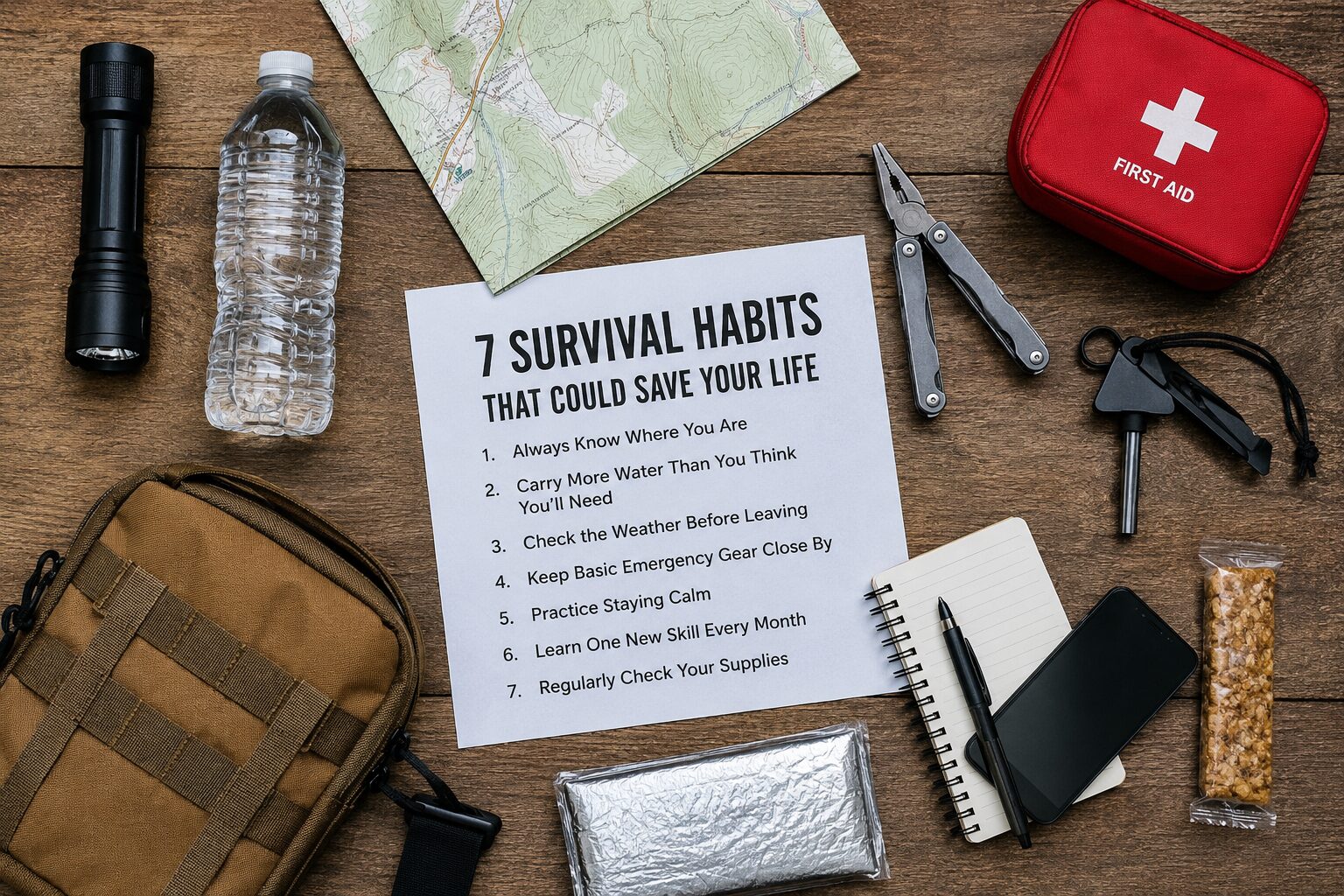
Build a Winter Power-Outage Kit
Every family should have supplies ready before winter arrives.
Include:
- Flashlights
- Extra batteries
- Headlamps
- Battery-powered radio
- Power banks
- Blankets
- Sleeping bags
- Warm clothing
- Water
- Shelf-stable food
- Manual can opener
- First-aid kit
- Prescription medications
- Fire extinguisher
- Carbon monoxide detector
- Waterproof matches
- Multi-tool
Store everything together so you can find it quickly.
Learn from Texas
The Texas freeze reminded us that modern conveniences can disappear overnight.
Electricity, running water, internet, and heating systems all depend on infrastructure that can fail under extreme conditions.
Prepared families weren’t lucky—they had a plan.
Whether you live in Texas, Florida, Tennessee, or anywhere else, preparing today means you’ll be ready when the next winter storm arrives.
Survival isn’t about fear.
It’s about being ready before everyone else realizes they should have been.
Final Thoughts
Cold-weather survival begins long before the first snowflake falls. A few blankets, extra food, stored water, backup lighting, and a well-thought-out emergency plan can make the difference between a difficult inconvenience and a life-threatening emergency.
The next major winter outage isn’t a question of if—it’s a question of when. Start preparing now, involve your family in your emergency plan, and remember that the best survival tool you own is knowledge backed by preparation.
Stay prepared. Stay warm. Stay alive.