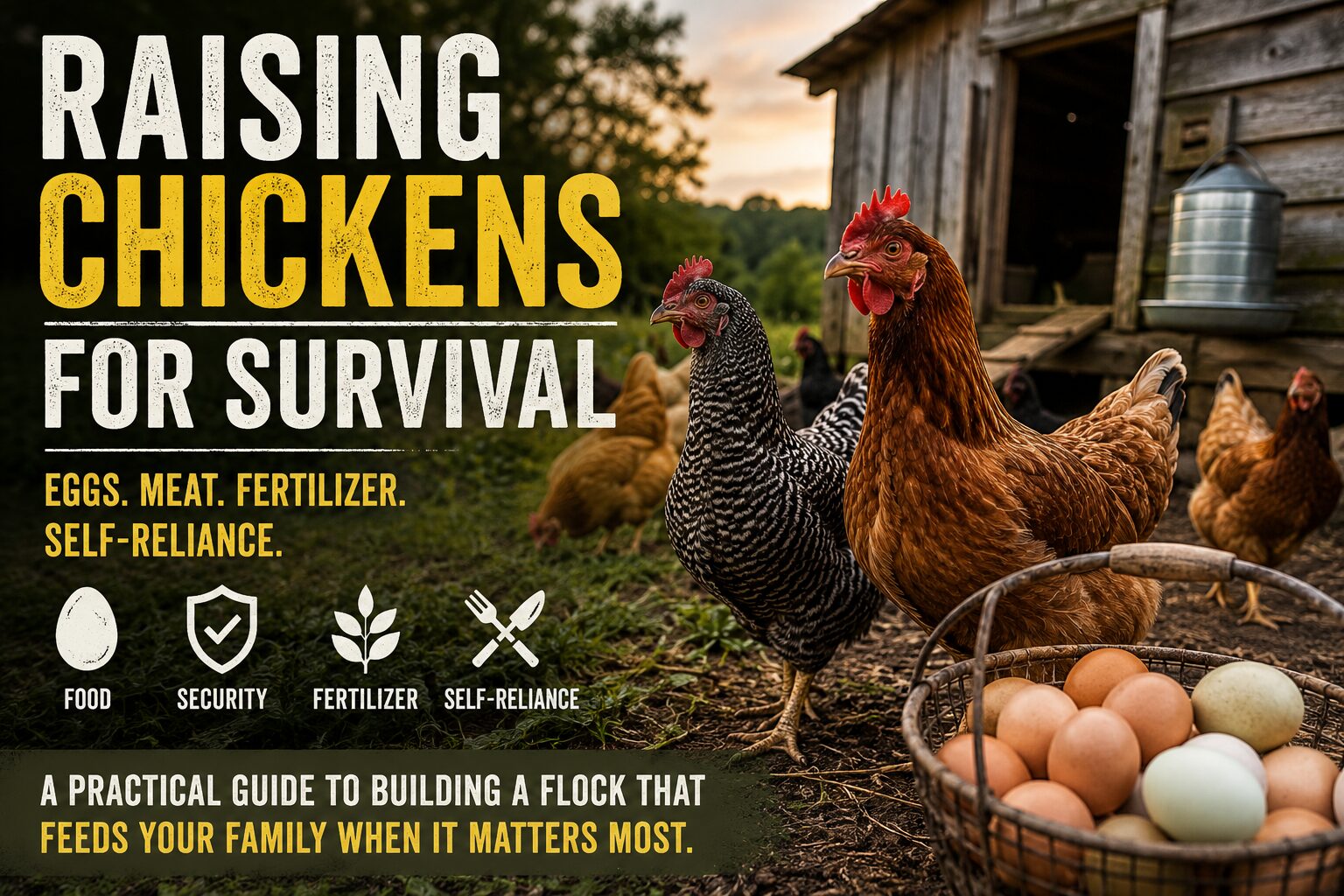

For thousands of years, chickens have helped families survive hard times. Long before grocery stores, refrigeration, and industrial farming existed, people relied on small flocks for meat, eggs, fertilizer, pest control, and security. Even today, chickens remain one of the most practical and valuable animals a person can raise for self-reliance.
In a world where food prices continue to rise and supply chains can fail unexpectedly, raising chickens offers something increasingly rare: dependable food production at home. A small backyard flock can provide a steady supply of protein while also helping reduce dependence on stores and outside systems. For preppers, homesteaders, and anyone interested in survival living, chickens are often considered one of the best starting points.
One reason chickens are so popular is because they require less land and fewer resources than larger livestock. Cattle, pigs, and goats can be expensive and difficult for beginners to manage. Chickens, however, can thrive in relatively small spaces and adapt to many different environments. Whether someone lives on a rural homestead or a small piece of land outside town, a flock of chickens can often fit into the property.
Egg production alone makes chickens incredibly valuable during difficult times. A healthy hen can lay hundreds of eggs per year depending on breed, diet, and daylight conditions. Eggs provide protein, fats, vitamins, and calories that are essential for survival. They can also be cooked in countless ways and combined with other foods to create filling meals.

Unlike many survival foods that sit on shelves for years, chickens produce fresh food continuously. This is one of the major advantages of raising livestock instead of relying entirely on stored supplies. Long-term emergencies eventually exhaust canned goods and dry food reserves. A renewable food source becomes far more important as time passes.
Many beginners are surprised by how quickly chickens learn routines and interact with people. Chickens are not intelligent in the same way as dogs, but they recognize feeding times, respond to voices, and establish social hierarchies inside the flock. Watching their behavior can become both entertaining and educational.
Choosing the right breed is an important part of building a survival flock. Some breeds are better egg layers, while others are raised primarily for meat. Dual-purpose breeds offer a balance between both. Rhode Island Reds, Plymouth Rocks, Orpingtons, and Australorps are commonly recommended because they are hardy, productive, and beginner friendly.
Climate also matters when selecting chickens. Some breeds handle cold weather better while others tolerate heat more effectively. In southern climates, heat-resistant breeds are often important because extreme summer temperatures can stress birds and reduce egg production.
Housing is another critical factor in raising chickens successfully. Chickens need protection from predators, bad weather, and disease. A secure coop provides shelter and a safe place for hens to lay eggs. Predators such as raccoons, foxes, hawks, coyotes, snakes, and stray dogs kill countless chickens every year. A weak coop can lead to disaster overnight.
Ventilation inside the coop is extremely important even during winter. Many beginners mistakenly seal coops too tightly in cold weather. Poor airflow allows moisture and ammonia to build up, creating respiratory problems and unhealthy living conditions. Dry, well-ventilated coops are healthier than warm, damp ones.
Chickens also require outdoor space where they can scratch, forage, and search for insects. Free-ranging birds often produce healthier eggs and consume fewer commercial feeds because they supplement their diets naturally. They eat bugs, grass, seeds, weeds, and even small reptiles or mice when given the opportunity.
One major survival advantage of chickens is their ability to convert scraps into food. Kitchen leftovers, garden waste, and excess produce can help feed a flock while reducing household waste. Chickens eagerly consume many fruits, vegetables, grains, and insects. During difficult times, this ability to recycle food waste into eggs and meat becomes extremely valuable.
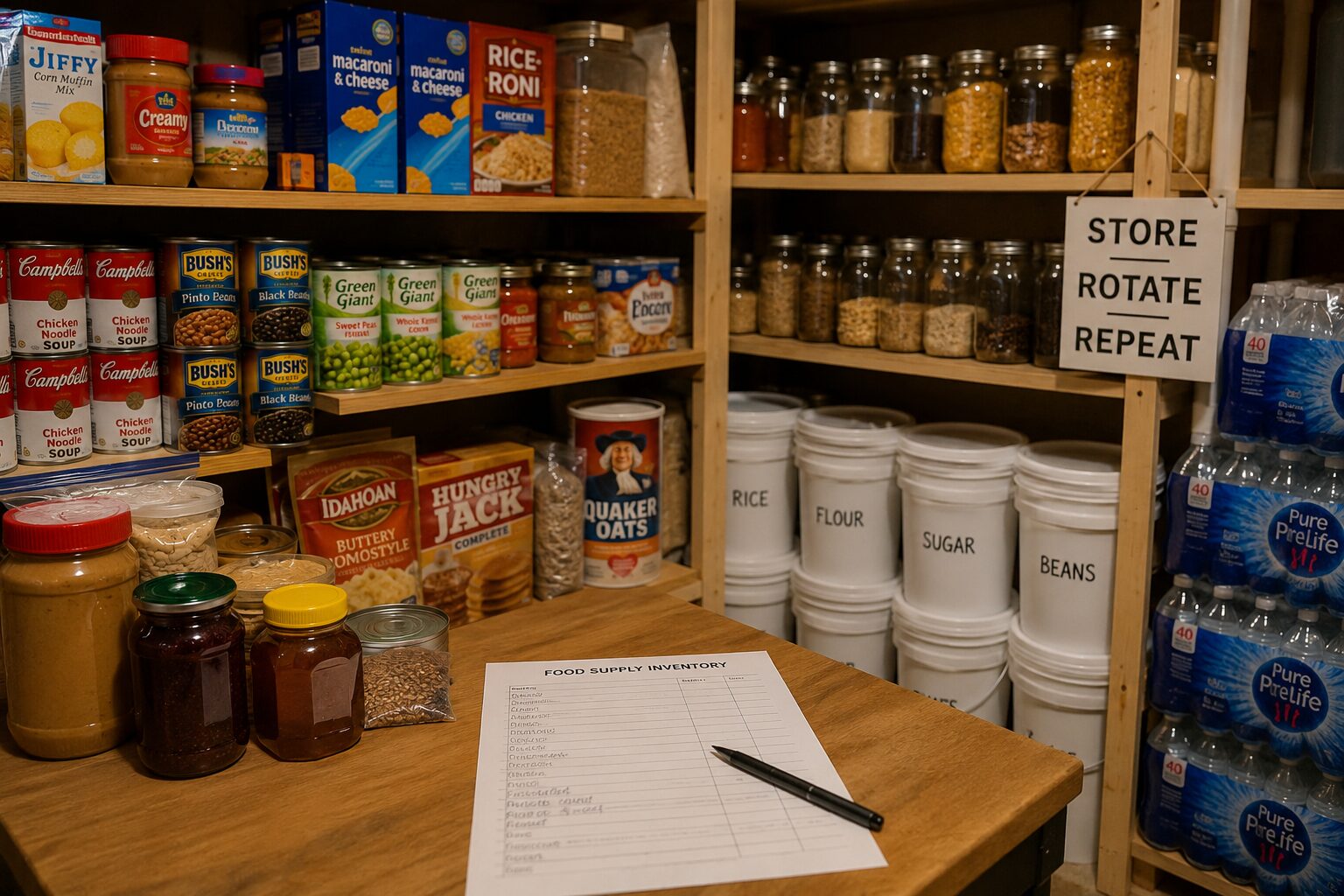
Feed storage is still important, however. Depending entirely on commercial feed can create problems during supply shortages. Smart survival planning includes storing extra feed and learning alternative feeding methods. Some homesteaders grow corn, sunflowers, pumpkins, or fodder crops specifically for livestock feed.
Water is another essential need that cannot be overlooked. Chickens require constant access to clean water, especially during hot weather. A lack of water quickly reduces egg production and can kill birds in extreme temperatures. In freezing climates, keeping water available during winter becomes a daily challenge.
Disease prevention plays a major role in flock management. Dirty coops, overcrowding, poor nutrition, and contaminated water create ideal conditions for illness. Healthy chickens are usually active, alert, and curious. Signs of sickness often include lethargy, breathing problems, loss of appetite, or abnormal droppings.
Quarantining new birds before introducing them to an existing flock helps reduce disease risks. Many experienced chicken keepers also maintain strict cleanliness routines to protect their animals from parasites and infections.
One difficult reality of raising chickens is dealing with death and loss. Predators, illness, weather, and accidents are part of livestock ownership. Survival living requires a practical mindset because animals raised for food eventually become part of the food supply. For many beginners, processing chickens for meat becomes one of the hardest but most important skills to learn.
Meat birds grow rapidly and provide a dependable protein source. Some breeds are specifically designed for efficient meat production, while dual-purpose breeds can serve both egg and meat needs. Learning basic butchering and preservation skills such as freezing, canning, smoking, or pressure cooking allows families to maximize their harvest.
Chicken manure also provides tremendous value for gardening and homesteading. Properly composted manure becomes nutrient-rich fertilizer that improves soil quality and boosts crop production. This creates a cycle where gardens feed chickens and chickens help feed gardens.
Another overlooked survival benefit is security. Chickens react loudly to disturbances and unfamiliar movement. While they are not guard animals, a noisy flock often alerts owners to predators, wildlife, or unexpected activity around the property.
Economic uncertainty has pushed many families toward greater self-reliance in recent years. Rising food prices, shortages, and concerns about industrial agriculture have encouraged people to rethink where their food comes from. Chickens offer a practical way to regain some control over food production.
Children can also benefit greatly from raising chickens. Feeding, cleaning, collecting eggs, and caring for animals teaches responsibility and practical life skills. Many kids develop a stronger understanding of food production and nature through caring for livestock.
One of the greatest strengths of chickens is adaptability. They fit into backyard farms, off-grid homesteads, survival retreats, and rural properties alike. A small flock can start with just a few birds and expand over time as experience grows.
For survival preparedness, chickens represent more than just livestock. They are a renewable source of nutrition, fertilizer, barter potential, and self-reliance. In a prolonged emergency, fresh eggs and meat could become extremely valuable trade items when store shelves remain empty.
The modern world has made people heavily dependent on systems they do not control. Electricity, transportation, grocery stores, and large-scale agriculture keep society functioning smoothly most of the time. But history shows those systems can become unstable during disasters, economic collapse, war, or natural emergencies.
Raising chickens reconnects people with older skills that helped previous generations survive uncertainty. It teaches patience, responsibility, observation, and preparedness. More importantly, it provides something every survivalist needs: a reliable way to produce food close to home.
For anyone beginning the journey toward self-reliance, chickens are often one of the smartest first steps. A small flock today could become one of the most valuable assets a family owns tomorrow.