
Stepping into the world of survival gear feels exciting at first, but it quickly becomes overwhelming once the options start piling up. I remember staring at endless lists of “must-have” items and realizing that most advice didn’t actually prepare me for real situations. The gap between what looks good online and what works in the wild is wider than most beginners expect. Over time, I made plenty of mistakes that cost me money, time, and sometimes comfort during trips. Those lessons shaped how I now approach survival gear, and they’re worth sharing so others can avoid falling into the same traps.
Buying Too Much Too Soon
The urge to build the ultimate survival kit right away is hard to resist. I went through that phase where I thought having more gear automatically meant being more prepared. The reality hit when I packed everything into a bag and could barely carry it comfortably for more than an hour. Excess gear slows you down and drains energy, which can become dangerous in real situations.
It took a few frustrating trips to realize that survival isn’t about quantity. It’s about having the right tools and knowing how to use them. Starting small and adding items based on actual experience is far more effective. That way, every piece of gear earns its place instead of becoming dead weight.
Ignoring Weight And Portability
Weight is one of those factors beginners underestimate until they feel it on their shoulders. I once packed what I thought was a “light” setup, only to find myself exhausted halfway through a hike. Even a few extra pounds can make a significant difference over long distances or rough terrain.

Portability goes beyond just weight. Bulky gear that doesn’t pack well can be just as problematic as heavy equipment. Compact, multi-purpose tools tend to outperform larger single-use items in real scenarios. A well-balanced pack can make the difference between moving efficiently and struggling every step of the way.
Choosing Gear Based On Trends Instead Of Needs
It’s easy to get influenced by what’s popular online or recommended by influencers. I fell into that trap more than once, buying gear that looked impressive but didn’t match my environment or skill level. Not every highly rated item is useful for every situation.
Practicality should always come first. The type of terrain, climate, and duration of your trip should guide your decisions. Gear that works in one environment might be completely ineffective in another. Taking the time to evaluate personal needs leads to smarter and more reliable choices.
Overlooking Basic Skills
Gear alone won’t keep you safe if you don’t know how to use it. I learned this the hard way after bringing equipment I had never tested before. When the moment came to rely on it, I hesitated because I wasn’t familiar with how it worked under pressure.
Skills like fire starting, navigation, and shelter building are more important than any piece of equipment. Practicing these regularly builds confidence and reduces reliance on gear alone. Experience turns tools into assets instead of liabilities.
Neglecting Shelter Planning
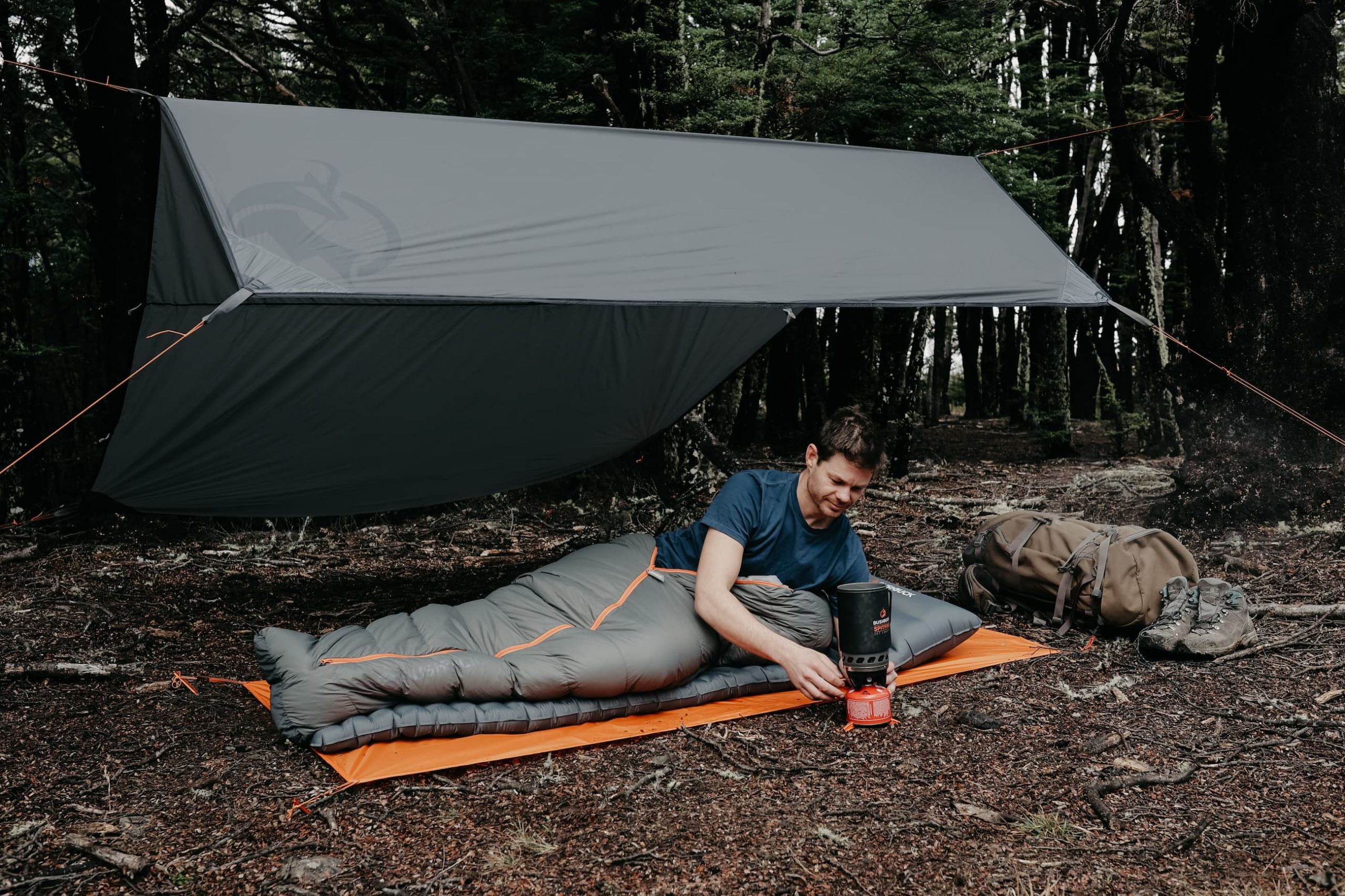
Shelter is often treated as an afterthought by beginners, including me at one point. I focused heavily on tools and gadgets while assuming I could “figure out” shelter if needed. That mindset changed after spending a cold, uncomfortable night with inadequate protection.
Proper shelter planning involves more than just carrying a tent. Weather conditions, terrain, and setup time all play a role in choosing the right option. A reliable shelter system can prevent exposure-related issues and significantly improve overall safety.
Packing Without A System
Throwing gear into a bag without organization creates chaos when you need something quickly. I remember digging through my pack in the dark, wasting precious time trying to find a flashlight. That experience taught me the importance of a structured packing system.
Organizing gear by category and frequency of use makes everything more accessible. Items needed urgently should always be easy to reach. Consistency in packing also helps build muscle memory, which becomes crucial in high-pressure situations.
Forgetting Redundancy For Critical Items
Some beginners assume one tool is enough for essential tasks. I used to carry a single fire starter, thinking that was sufficient. That confidence disappeared when it failed in damp conditions, leaving me scrambling for alternatives.
Critical functions like fire, water purification, and navigation should always have backups. Redundancy doesn’t mean carrying duplicates of everything, but having alternative methods ensures you’re not left helpless. A small backup can make a huge difference when things don’t go as planned.
Ignoring Water Management
Water is one of the most important survival priorities, yet it’s often overlooked during planning. I once underestimated how quickly I would go through my supply and ended up rationing far more strictly than expected. That experience made it clear how essential proper water management is.
Carrying enough water is only part of the equation. Knowing how to find and purify additional sources is equally important. Reliable filtration or purification methods should always be part of any survival kit, regardless of trip length.
Relying Too Much On High-Tech Gear
Modern survival gear often includes advanced technology, which can be incredibly useful. However, relying too heavily on these tools can create problems if they fail. I’ve experienced situations where batteries died faster than expected, leaving me without critical functions.
Low-tech alternatives are just as important as high-tech solutions. A map and compass can serve as a backup for GPS devices, and manual tools don’t depend on power sources. Balancing both types of gear increases reliability and resilience.
Not Testing Gear Before Use
Taking new gear straight into the field without testing is a mistake I regret making. Equipment that seems perfect at home can behave differently under real conditions. I’ve dealt with faulty zippers, weak materials, and tools that didn’t perform as advertised.
Testing gear in controlled environments helps identify issues early. It also builds familiarity and confidence in using each item. Knowing exactly how your gear performs eliminates surprises when it matters most.
Prioritizing Appearance Over Function
Some gear looks impressive but doesn’t deliver when it counts. I’ve bought items that seemed durable and professional, only to find they lacked practical features. Appearance can be misleading, especially when marketing emphasizes style over functionality.
Function should always come first. Durable materials, reliable performance, and ease of use matter far more than aesthetics. Choosing gear based on real-world performance ensures it can handle demanding situations.
Overcomplicating The Setup
Complex systems can create unnecessary challenges in survival situations. I once carried gear that required multiple steps to assemble, which became frustrating under pressure. Simplicity often proves more effective when time and energy are limited.
Straightforward setups reduce the chances of errors and speed up response times. Gear that is easy to use allows you to focus on other priorities. Simplicity doesn’t mean sacrificing quality, but rather emphasizing efficiency.
Ignoring Environmental Factors
Every environment presents unique challenges, and ignoring them can lead to poor gear choices. I’ve made the mistake of using gear suited for one climate in a completely different setting. The result was discomfort and reduced effectiveness.
Weather, terrain, and local conditions should always guide gear selection. Adapting to the environment increases safety and efficiency. Preparation tailored to specific conditions outperforms generic setups every time.
Skipping Maintenance And Care
Gear requires regular maintenance to remain reliable. I’ve neglected this in the past, only to find items deteriorating faster than expected. Dirt, moisture, and wear can compromise performance if not addressed.
Cleaning, inspecting, and properly storing gear extends its lifespan. Small maintenance efforts prevent bigger issues down the line. Well-maintained equipment is far more dependable in critical situations.
Not Practicing Loadout Adjustments
A static gear setup rarely works for every situation. I used to stick with the same loadout regardless of trip type, which led to inefficiencies. Adapting gear based on specific needs makes a significant difference.
Regularly reviewing and adjusting your loadout ensures it stays relevant. Removing unnecessary items and adding useful ones improves overall performance. Flexibility is key to staying prepared for different scenarios.
Forgetting Comfort And Morale
Survival isn’t just about staying alive; it’s also about maintaining physical and mental well-being. I once focused so heavily on essentials that I ignored comfort items entirely. That decision made long trips more draining than necessary.
Small items that improve comfort can boost morale and endurance. A good night’s sleep, proper clothing, and even minor conveniences can make a big difference. Balancing practicality with comfort leads to better overall outcomes.
Underestimating The Importance Of Knowledge
Gear is only as effective as the person using it. I’ve seen situations where expensive equipment failed simply because the user lacked the necessary knowledge. Experience and education play a crucial role in survival.
Investing time in learning and practicing skills pays off more than buying additional gear. Knowledge enhances decision-making and adaptability. It turns challenges into manageable situations instead of overwhelming problems.
Final Thoughts
Mistakes are part of the journey, but they don’t have to define it. Each misstep I made with survival gear taught me something valuable, shaping a more practical and efficient approach. The goal isn’t to have the most gear, but to have the right gear and the skills to use it effectively.
Progress comes from experience, reflection, and a willingness to adapt. Avoiding these common mistakes can save time, money, and effort while improving overall preparedness. Survival is ultimately about making smart decisions, and those decisions start long before stepping into the wild.