A Survival Boys Guide to Understanding Firearms, Preparedness, and Responsible Ownership
When people imagine survival situations, they often think about food, water, shelter, and fire. But another important part of preparedness is understanding tools that can help protect yourself, provide food, and increase your ability to handle emergencies.
A firearm can be a valuable survival tool when used responsibly. However, there is no single “perfect” survival firearm. The best choice depends on your environment, your skills, your physical ability, and what you are preparing for.
A firearm is only as effective as the person using it. Training, safety, and good judgment matter more than having the most expensive equipment.
What Makes a Good Survival Firearm?
A survival firearm should be:

1. Reliable
In an emergency, your equipment must work when you need it. A firearm that is simple, dependable, and properly maintained is usually more valuable than one with complicated features.
Survival situations are not the time to discover that you do not understand your equipment.
2. Easy to Carry
Survival often involves movement. Whether you are hiking, evacuating, or traveling through rough terrain, weight matters.
A firearm that is too heavy may be left behind when you need it most.
3. Affordable and Available
A survival firearm should use ammunition that is reasonably available and affordable enough that you can practice regularly.
Owning a firearm but never training with it creates a false sense of security.
4. Versatile
The ideal survival firearm can perform multiple roles:
- Protection
- Hunting
- Emergency food gathering
- Training
- Recreation
A tool that serves several purposes is often more useful than a specialized tool.
The Survival Rifle: The Classic Choice
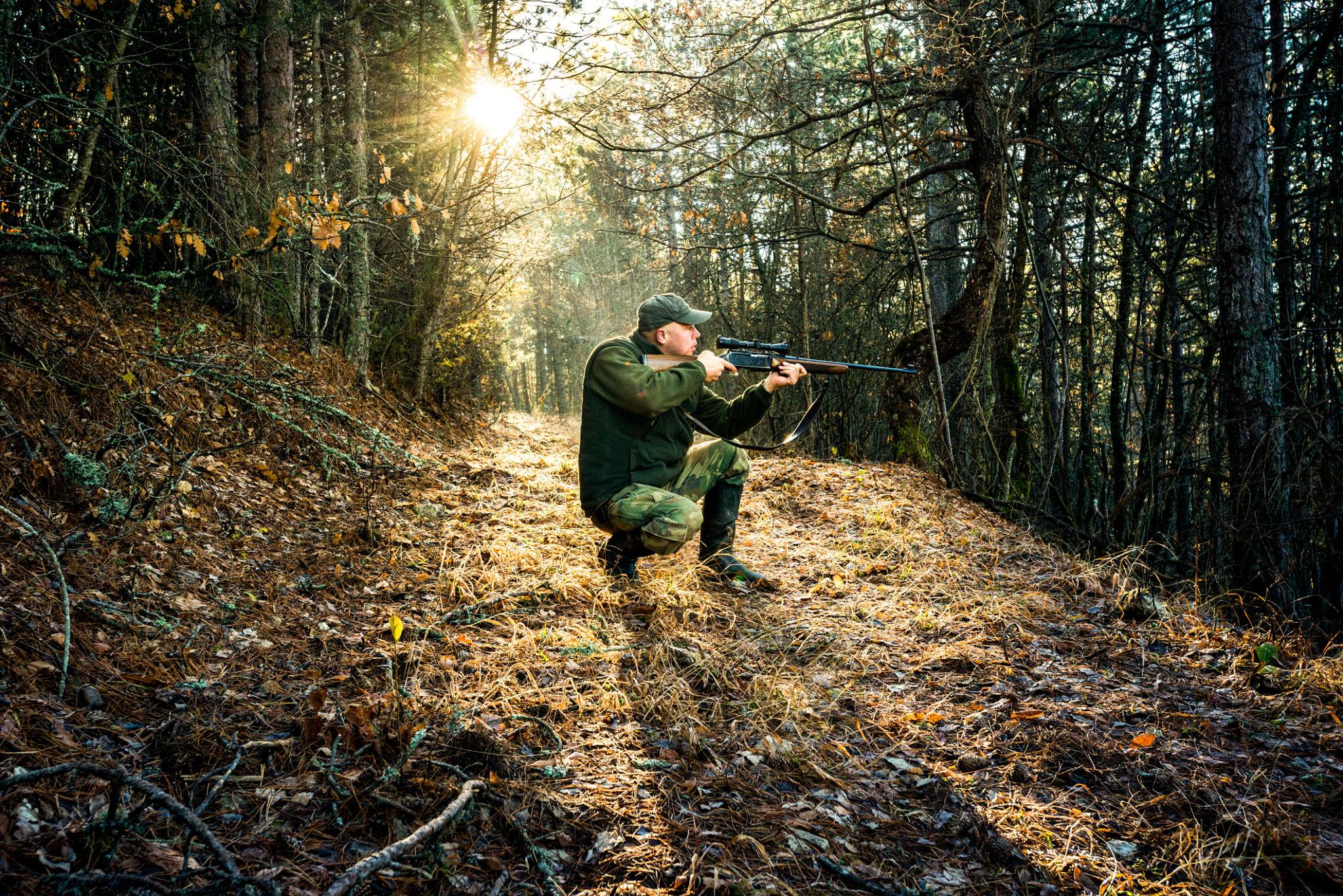
For many outdoorsmen, a rifle is considered one of the most useful survival firearms.
A rifle generally provides:
- Better accuracy at distance
- More capability for hunting
- Greater versatility outdoors
A lightweight hunting-style rifle can be useful for someone living in a rural environment where hunting and wilderness travel are common.
However, rifles can also be larger and heavier than other options, making them less convenient for some situations.
The Survival Shotgun: The Multi-Purpose Option
Many experienced outdoorsmen consider the shotgun one of the most versatile firearms available.
A shotgun can be used for different purposes depending on the ammunition selected.
Potential uses include:
- Hunting small game
- Hunting birds
- Outdoor recreation
- Farm and rural property use
Shotguns are popular among many survival-minded people because they have a long history of usefulness in rural environments.
The Handgun: Compact and Portable
A handgun’s greatest advantage is size.
A handgun is:
- Easier to carry
- Easier to store
- More convenient for everyday situations
However, handguns require significant practice because they are more challenging to shoot accurately compared with larger firearms.
For anyone considering a handgun for preparedness, professional instruction and regular training are extremely important.
The .22 Caliber Firearm: The Survival Classic
The small .22 caliber firearm has been a favorite among outdoorsmen for generations.
Why?
Because it is:
- Lightweight
- Low recoil
- Easy to practice with
- Useful for small game hunting
A .22 may not be the answer for every survival scenario, but it has earned a reputation as a practical tool for wilderness travel and learning basic shooting skills.
A Survival Firearm Is Not a Replacement for Skills
Many beginners make the mistake of thinking owning a firearm automatically makes them prepared.
It does not.
A prepared survivor should also learn:
Fire Building
Knowing how to create warmth and cook food is essential.
Navigation
A map and compass can be more valuable than expensive equipment.
First Aid
Medical emergencies are among the most common survival challenges.
Food Preparation
Knowing how to safely prepare food matters.
Situational Awareness
Avoiding danger is often better than confronting it.
Choosing a Firearm Based on Your Environment
The “best” firearm changes depending on where you live.
Wilderness Environment
Someone spending time in forests, mountains, or remote areas may prioritize lightweight and practical equipment.
Farm or Rural Property
A person managing land may have different needs than someone living in a city.
Emergency Preparedness
Someone preparing for storms, disasters, or power outages may prioritize different factors than someone preparing for wilderness travel.
The right answer depends on the mission.
The Biggest Survival Mistake: Buying Before Learning
A common mistake is buying equipment first and learning later.
A better approach:
- Learn firearm safety.
- Get proper training.
- Practice regularly.
- Understand your local laws.
- Choose equipment that fits your needs.
Knowledge is the most important survival tool you own.
The Survival Boys Rule: Skills Beat Gear
The best survival firearm is not necessarily the newest, largest, or most expensive.
The best survival firearm is the one you:
- Understand
- Maintain
- Train with
- Use responsibly
- Can safely handle
A prepared person does not depend on one tool. They build a complete survival system that includes knowledge, skills, planning, and responsible equipment choices.
A firearm can be one part of that system—but your mindset and training are what truly make you prepared.
Survival Challenge
Ask yourself:
✅ Do I know basic firearm safety rules?
✅ Have I received proper training?
✅ Can I safely maintain my equipment?
✅ Do I practice regularly?
✅ Do I understand my local laws?
The strongest survival tool is always a prepared mind.